Brussels wants to tidy up e-commerce: right to speak with a human, clear prices and an end to artificial time pressure
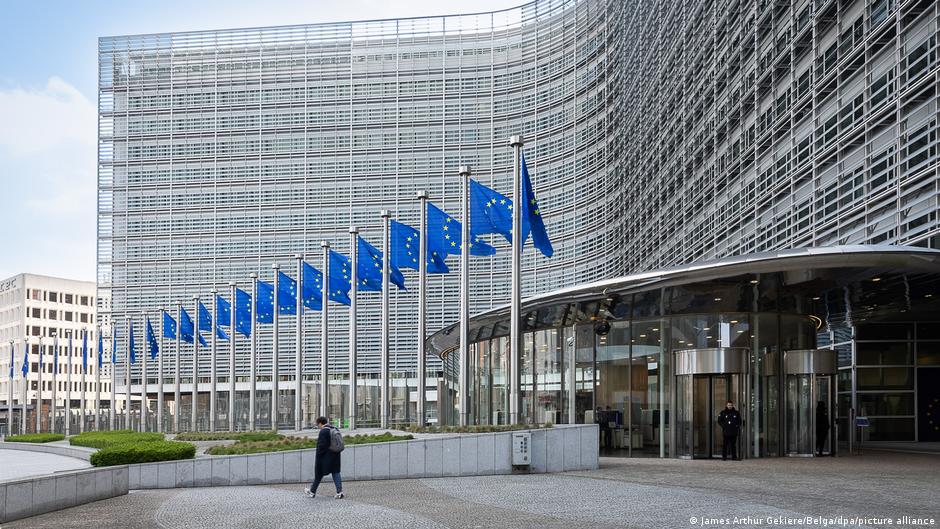
The European Commission has proposed the Digital Fairness Act, which aims to curb unfair practices in online shops. The draft includes, among other things, access to a human customer service agent instead of only a chatbot, and a ban on hidden fees at the final stage of purchase.

Growtika · Unsplash License
- 0views
- 0likes and saves
- 0skips
In brief
- The European Commission has presented a draft of the Digital Fairness Act, aimed at curbing unfair practices in online shops and applications.
- The draft provides for contact with a human consultant, transparent ticket pricing, and a ban on hidden fees at the end of a purchase.
- Companies breaking the rules may be fined up to 6 percent of their global annual turnover.
Penalties up to 6 percent of turnover
The European Commission presented the draft of the Digital Fairness Act, abbreviated DFA, on Wednesday (UE chce zakazać reklam personalizowanych do dzieci. Grozi karami – Wirtualnemedia.pl). It is meant to curb practices that consumers consider unfair: artificially inflated time pressure, variable prices, and fees added only at the payment stage. Companies breaking the rules may be fined up to 6 percent of their global annual turnover (Digital Fairness Act, czyli nowe prawo konsumenckie w erze AI – Prawo.pl).
Human contact and clear prices
Online shoppers would have the right to contact a live consultant, not only an automated chat. The draft also provides for transparent rules for selling tickets to matches and concerts, so that the final price is visible from the start. Adding hidden costs at the last stage of an order would be prohibited.
The draft also targets so-called dark patterns, which push buyers into decisions against their will. These include, among others, false messages about offers ending soon and making choices difficult.
Subscriptions, apps and AI purchases
The document envisages easier cancellation of subscriptions. Before a free trial ends, a company would have to remind the customer about it and obtain their explicit consent to charge a fee (Can the EU make it harder to trick consumers online? – DW). Reminders are also to apply before the automatic renewal of certain contracts.
The draft also covers applications. Examples given include series of daily lessons that compel users to return, and intrusive notifications ("Ще одне заняття – і спати": ЄС хоче покласти край хитрощам Duolingo – UNIAN) (В ЕС хотят ограничить Duolingo, Strava и другие популярные приложения с «вредными цифровыми практиками» – Meduza). The newest draft also provides for restrictions on loot boxes for minors (Усиленная защита. ЕС хочет запретить лутбоксы для детей и манипулятивные механики в приложениях – NV). Purchases made on the customer's behalf by artificial intelligence are to be regulated.
Next steps
The DFA is for now only a proposal. Before it becomes binding law, it must pass through work in EU institutions, and only then will it take effect in member states.
Sources
- [1]UE bierze pod but e-commerce. Kaganiec na algorytmy cenowe i koniec fikcyjnych „ostatnich sztuk”· Bankier.pl
- [2]UE chce ukrócić triki e-sklepów. UE zmienia zasady zakupów online· portalspozywczy.pl
- [3]
 Усиленная защита. ЕС хочет запретить лутбоксы для детей и манипулятивные механики в приложениях· NV
- [4]
В ЕС хотят ограничить Duolingo, Strava и другие популярные приложения с «вредными цифровыми практиками»· Meduza
- [5]
 "Ще одне заняття – і спати": ЄС хоче покласти край хитрощам Duolingo· UNIAN
- [6]
 Can the EU make it harder to trick consumers online?· DW
- [7]
 Digital Fairness Act, czyli nowe prawo konsumenckie w erze AI· Prawo.pl
- [8]
UE chce zakazać reklam personalizowanych do dzieci. Grozi karami· Wirtualnemedia.pl
Discussion0
- No comments from this perspective yet. Be the first.