Costa lowers EU budget proposal as Merz and France remain unhappy
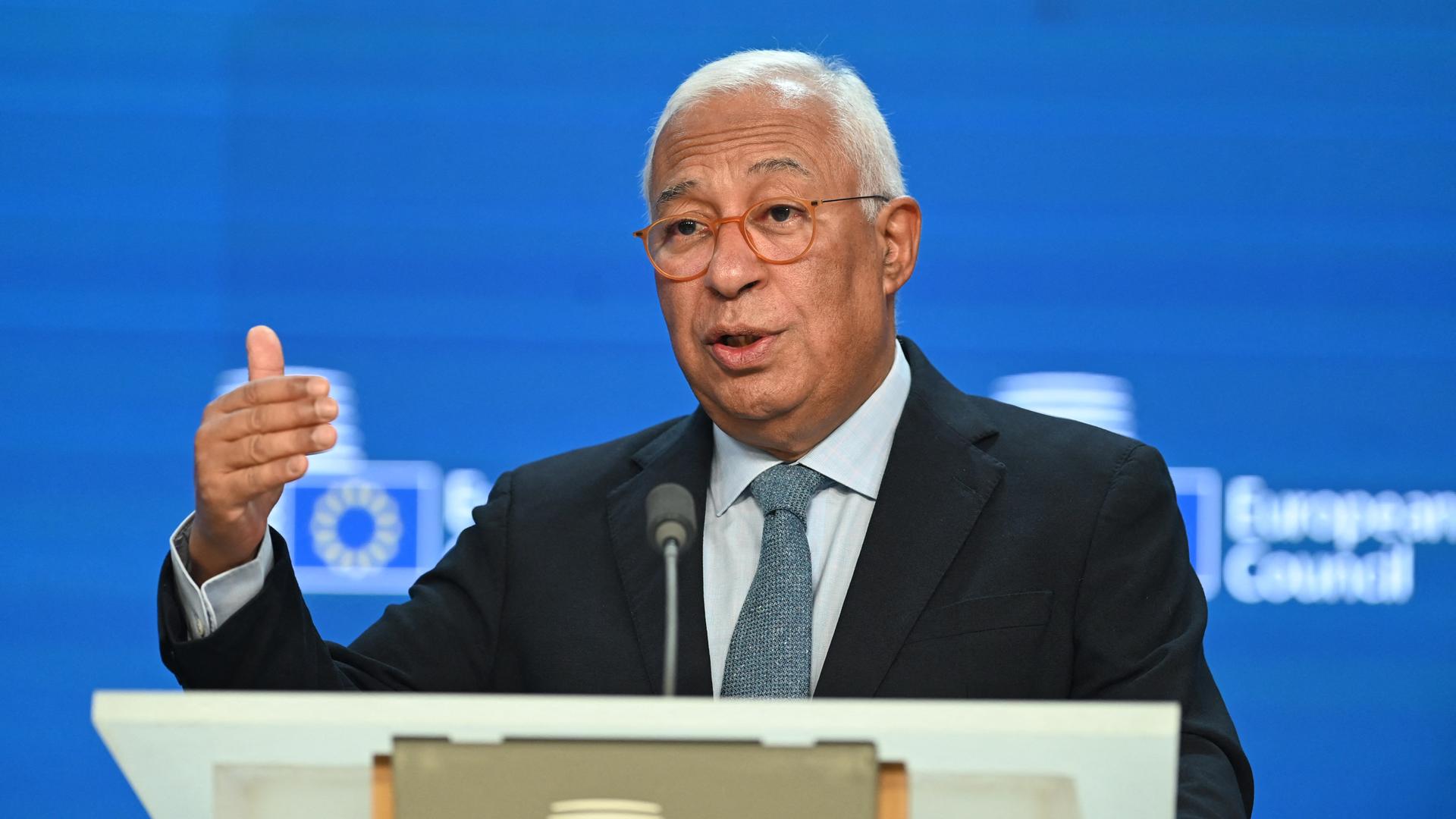
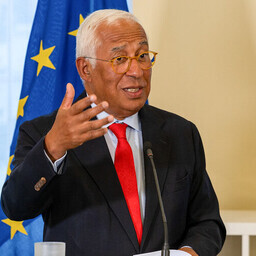
Antonio Costa presented a new version of the EU's multiannual financial framework for 2028–2034, about 204 billion euros lower than the European Commission's plan. Chancellor Friedrich Merz nevertheless considered it too high, and France rejected it.

Christian Lue · Unsplash License
- 0views
- 0likes and saves
- 0skips
In brief
- Antonio Costa has lowered the proposed EU multiannual budget for 2028–2034 by about €204 billion compared with the European Commission's original plan.
- The new draft envisages a digital tax on large technology companies and a levy on crypto-assets.
- Chancellor Merz considers the proposal too high, and France has rejected it.
Proposal €204 billion lower
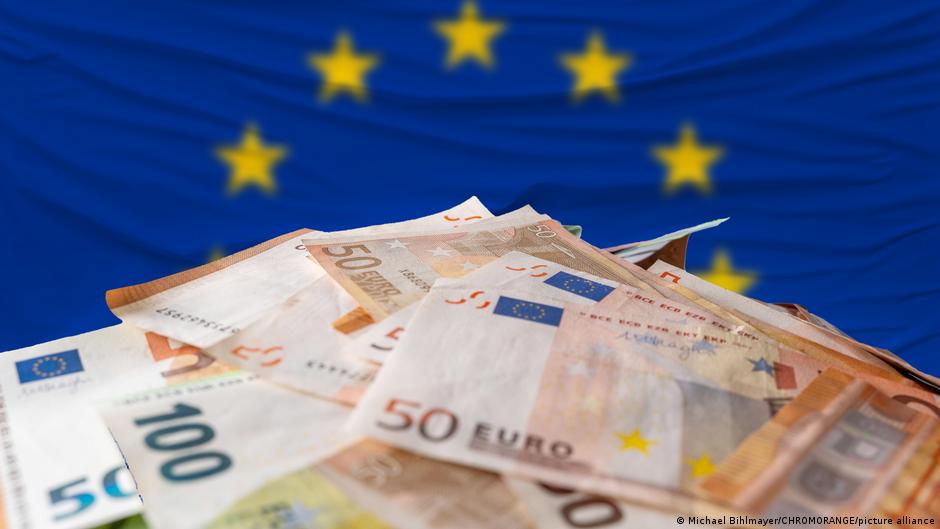
European Council President Antonio Costa has reduced EU spending for 2028–2034 by about €204 billion compared with the original Commission plan, which envisaged almost two trillion euros (Nowa propozycja budżetu UE. Berlin nadal chce cięć – Deutsche Welle). The cuts also affected regional cohesion funds, which are proposed to be reduced by eight billion euros for the first time since the start of negotiations, while agricultural subsidies remain untouched (Costa soovib kärpida EL-i eelarvet 44 miljardi euro võrra – ERR). Costa intends to present the new draft at the EU summit on Thursday and Friday (EU-Haushalt - Merz gegen Kompromissvorschlag von Ratspräsident Costa – Deutschlandfunk) (Ratspräsident - Costa schlägt Digitalsteuer für Tech-Konzerne zur Finanzierung des EU-Haushalts vor – Deutschlandfunk).
Digital tax on tech giants
To reduce direct contributions from member states, Costa proposes a 3% digital tax on revenues from online advertising, platform services and the use of user data for monetisation. The levy would apply to technology companies whose digital revenues in the EU exceed €50 million per year and whose global turnover is at least €750 million. A levy on crypto-assets is also foreseen, which could cover trade in bitcoin and the gains from it. The list of financing sources also includes revenues from the trade in emission allowances and border charges.
Berlin and Paris disagree
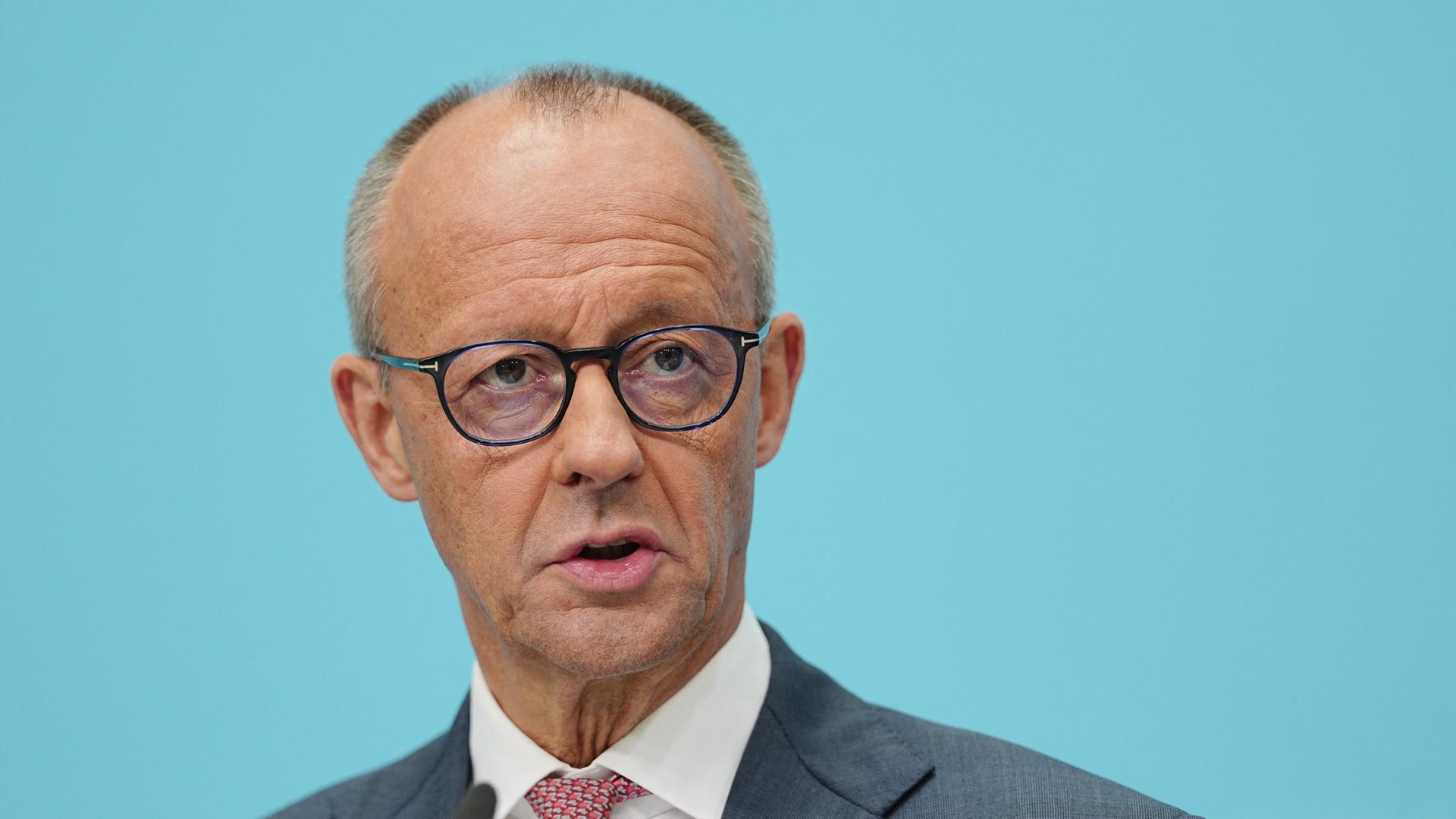
Chancellor Merz considers the new proposal too high. In his view, an increase of the EU budget by more than 40% does not fit a time when most countries are consolidating their own finances. At the same time, he declares readiness to work on a realistic and fundable budget. Netherlands and Austria have also demanded cuts. Merz further demands that the future budget permanently finance support for Ukraine, in which all 27 member states would participate, and threatens to block the budget if this does not happen (Merz tlačí na spoločné financovanie Ukrajiny, inak hrozí blokovaním rozpočtu EÚ. Costa navrhuje škrty aj nové dane – Pravda.sk).
France rejected the compromise. According to Paris, the draft does not go far enough, especially in the area of agricultural policy.
Read also
- Szef Rady Europejskiej proponuje mniejszy budżet UE na lata 2028-34 z ulgą dla Polski
- Austria żąda od Rady Europejskiej cięć unijnego budżetu na lata 2028–2034 o setki miliardów euro
- Cyfrowa danina od gigantów technologicznych może zasilić budżet UE. Czy Bruksela się na nią zdecyduje?
Sources
- [1]
 Ratspräsident - Costa schlägt Digitalsteuer für Tech-Konzerne zur Finanzierung des EU-Haushalts vor· Deutschlandfunk
- [2]
 EU-Haushalt - Merz gegen Kompromissvorschlag von Ratspräsident Costa· Deutschlandfunk
- [3]
 Merz tlačí na spoločné financovanie Ukrajiny, inak hrozí blokovaním rozpočtu EÚ. Costa navrhuje škrty aj nové dane· Pravda.sk
- [4]
 Nowa propozycja budżetu UE. Berlin nadal chce cięć· Deutsche Welle
- [5]
 Costa soovib kärpida EL-i eelarvet 44 miljardi euro võrra· ERR
Discussion0
- No comments from this perspective yet. Be the first.