Fuel Sector Taxes: Who Will Pay for the Fiscal Pressure
The head of the Polish Organisation of Oil Industry and Trade warns that new fiscal burdens on the fuel sector will not hit only large oil companies, but will ultimately reach drivers and consumers.

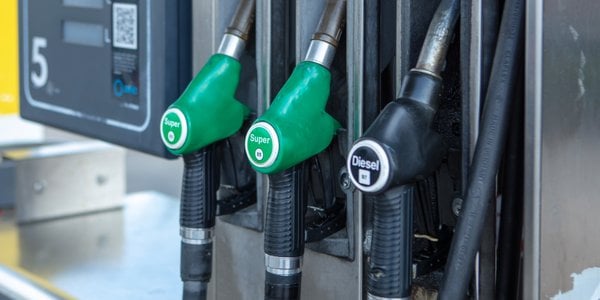
engin akyurt · Unsplash License
- 0views
- 0likes and saves
- 0skips
In brief
- Leszek Wiwała, head of POPHN, believes the costs of new fuel taxes will be borne by consumers, not only by large companies.
- Fiscal burdens first pass through to the price at the pump, and then to transport rates.
- Carriers will feel the cost increase in their service invoices, though specific amounts and dates have not been given.
Who will bear the burden of the new taxes
Leszek Wiwała, head of the Polish Organisation of Petroleum Trade and Industry (Polska Organizacja Przemysłu i Handlu Naftowego), argues that the belief that new taxes will hit only large companies is mistaken (Leszek Wiwała: O czym nie mówi się, gdy rosną ceny paliw – Rzeczpospolita). In his view, the real cost of fiscal pressure will be borne by consumers, that is, those who fill up their tanks and pay for transport.
How the burdens reach end users
According to Wiwała, fuel companies are rarely able to absorb additional burdens in full. Tax increases are first passed on to the price at the pump, and later to transport rates, which carriers and their customers feel. This mechanism works regardless of company size, because margins in the sector are limited.
Consequences for carriers and freight forwarders
For transport companies, this means that the rise in fiscal burdens will affect fleet operating costs. Wiwała warns that the pressure will surface first at the distributor level, and then in service invoices.
The question of specific amounts
The position of the head of POPHN shifts the discussion from who will pay to how much exactly drivers and service customers will pay. No specific amounts or introduction dates for the new burdens are given in this statement.
Sources
Discussion0
- No comments from this perspective yet. Be the first.