Steel summit in Salzgitter: industry demands relief on electricity prices and tougher action on Chinese imports
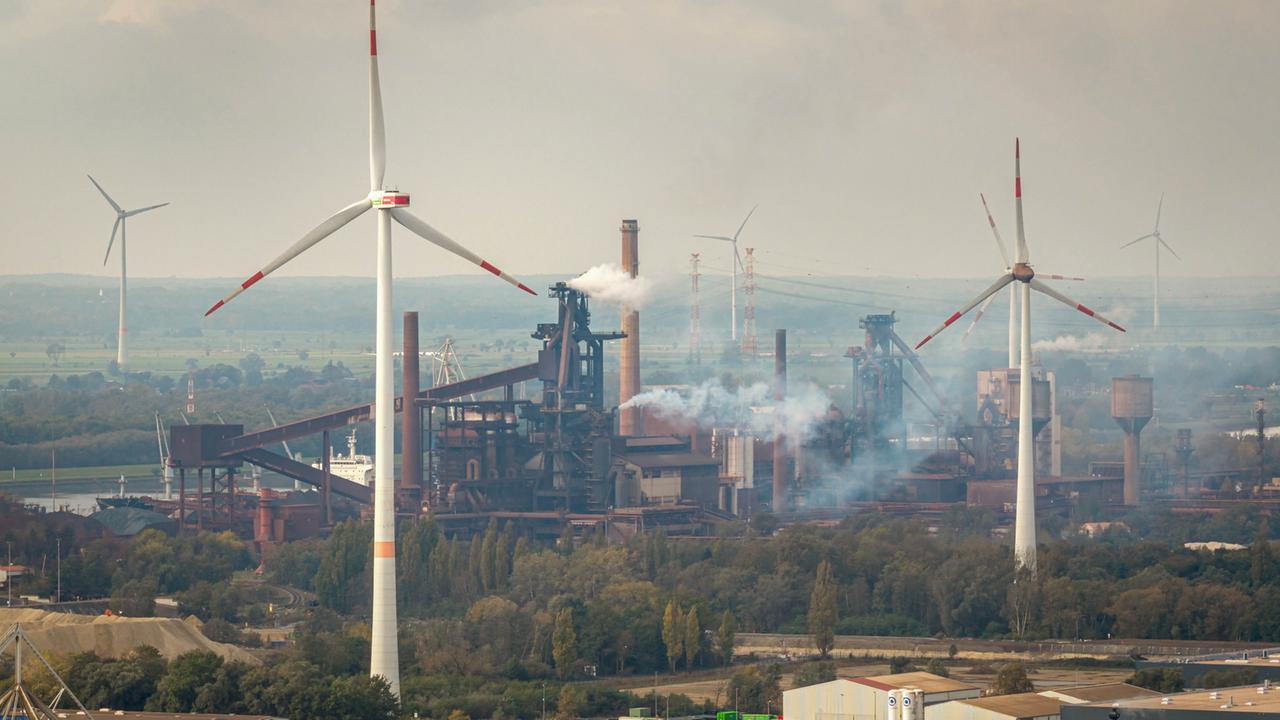
Steel producers, unions and federal and state officials met in Salzgitter to discuss the future of German steel, focusing on high energy costs, cheap imports and the shift to climate-neutral production.

Evgeny Karpov · Unsplash License
- 0views
- 0likes and saves
- 0skips
In brief
- The national steel summit in Salzgitter addressed high energy costs and cheap imports facing German steel producers.
- Industry wants a competitive, predictable electricity price, while the government points to already agreed relief on industrial power prices.
- Lower Saxony's economy minister Grant Tonne called for faster action against Chinese tariff circumvention.
Industry pushes for lower electricity prices
The national steel summit in Salzgitter brought together representatives of the federal government, the states, companies and trade unions. Industry representatives warned that high energy costs are weighing heavily on German producers, and the steel sector argues that electricity must become both competitive and predictable in price. A position paper handed to Federal Economy Minister Katherina Reiche, a CDU politician, calls electricity a key factor for low-emission steel production and says the current price level in Germany is far from that goal (Stahlgipfel in Salzgitter: Unternehmen fordern Entlastung beim Strompreis – tagesschau.de). The paper calls on the government to use all available relief options.
Government points to industrial power price relief
Reiche said relief on the industrial electricity price has already been agreed. She added that she would keep lobbying in Brussels for energy-intensive industries, describing those talks as difficult because many EU member states have no steel industry of their own and Germany still depends on their support (Beratungen in Salzgitter - Stahlbranche fordert mehr Unterstützung von der Bundesregierung – Deutschlandfunk).
Imports and tariff circumvention in focus
Cheap steel from China is a central concern. Lower Saxony's economy minister, Grant Tonne of the SPD, told Deutschlandfunk that providers from China get around protective tariffs by modifying products, for example by bending tariffed flat steel into hollow cylinders. He demanded faster responses from Berlin and the EU, warning that otherwise steel would increasingly be made elsewhere under worse environmental and labour conditions (Salzgitter - Beratungen über Stahl: Niedersachsens Wirtschaftsminister Tonne beklagt Umgehung von EU-Zöllen – Deutschlandfunk). European producers are also hit by high energy prices and by US tariffs (Salzgitter - Stahlgipfel berät über Zukunft der Branche – Deutschlandfunk).
Protest and union demands
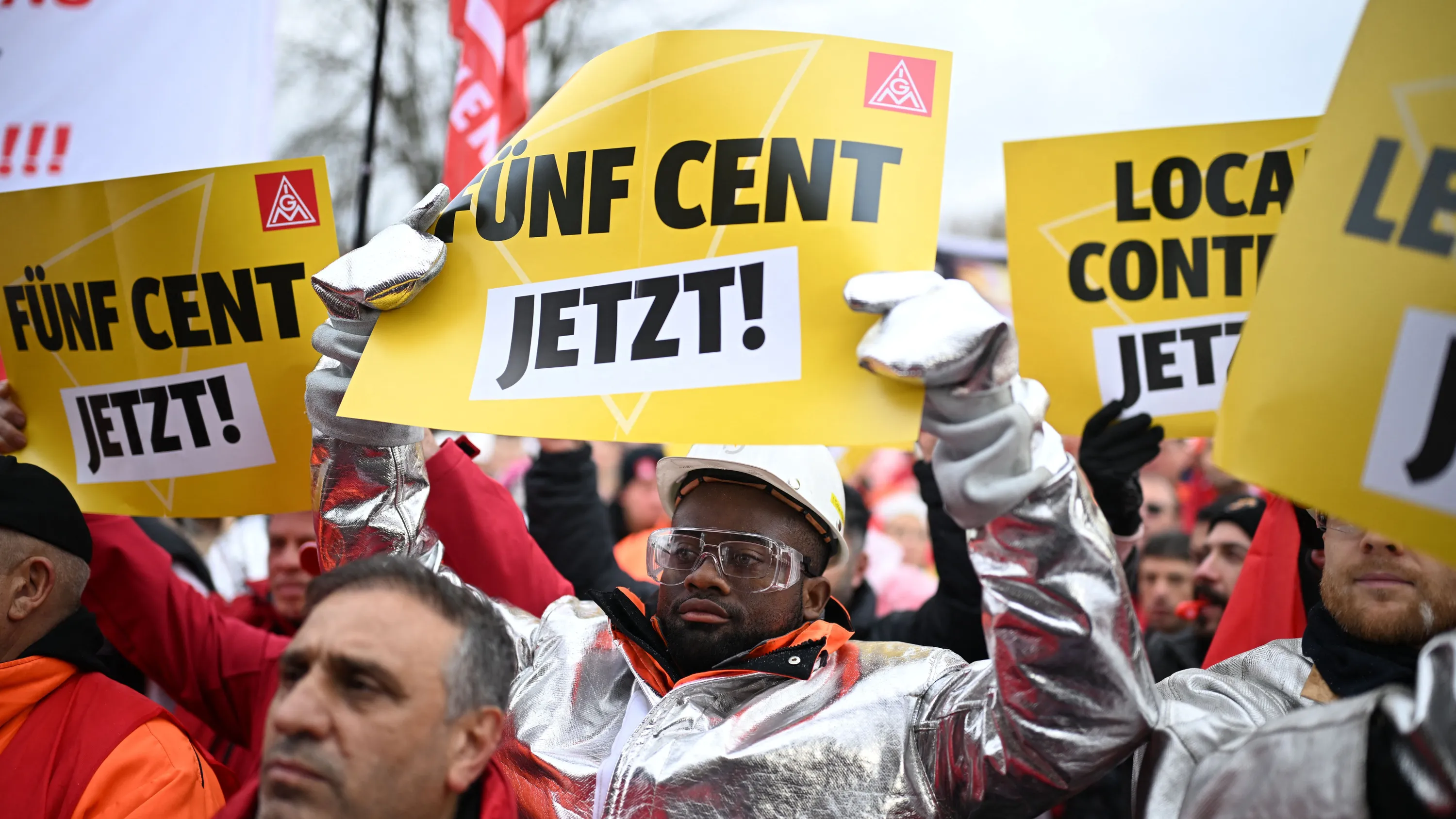
The IG Metall union and the steel-producing states called for more government support. According to the union, more than 2,000 employees demonstrated for a secure future for the sector. The summit also heard that switching energy-intensive steel production to green energy is expensive.
Reception at the summit
Reiche was booed by some attendees at the event, according to a report from FAZ.
Sources
- [1]
 Salzgitter - Stahlgipfel berät über Zukunft der Branche· Deutschlandfunk
- [2]Salzgitter - Beratungen über Stahl: Niedersachsens Wirtschaftsminister Tonne beklagt Umgehung von EU-Zöllen· Deutschlandfunk
- [3]
 Stahlgipfel in Salzgitter: Unternehmen fordern Entlastung beim Strompreis· tagesschau.de
- [4]
 Nationaler Stahlgipfel: Katherina Reiche wird ausgebuht· FAZ.NET
- [5]
 Beratungen in Salzgitter - Stahlbranche fordert mehr Unterstützung von der Bundesregierung· Deutschlandfunk
Discussion0
- No comments from this perspective yet. Be the first.