Two tankers hit mines in Strait of Hormuz, one sank, Iran says
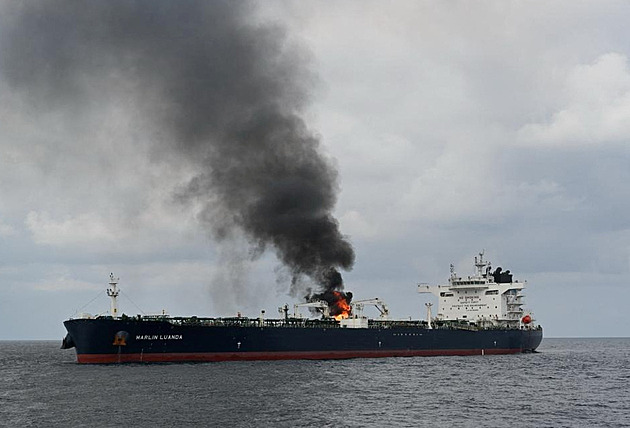
Iran's Revolutionary Guards say two oil tankers struck naval mines in the Strait of Hormuz and one of them sank. The incident comes as Tehran continues to restrict shipping through the waterway during its conflict with the United States.

Fredrick F. · Unsplash License
- 0views
- 0likes and saves
- 0skips
In brief
- Iran's Revolutionary Guards say two oil tankers hit naval mines in the Strait of Hormuz and one of them sank.
- The Guards say the tankers had turned off their navigation systems and were using an unauthorised route.
- Tehran has blocked shipping through the strait during its conflict with the United States, and the US military says the main lanes are already cleared of mines.
Explosions reported on two tankers
Iran's Revolutionary Guards said two oil tankers exploded and caught fire after hitting mines in the Strait of Hormuz, the narrow waterway through which a large share of the world's seaborne oil passes (Dva tankery narazili v Hormuzskom prielive na míny, tvrdí Irán – HNonline.sk). The Guards said one of the vessels sank because of the extent of the damage (V Hormuzském průlivu narazily dva ropné tankery na miny, jeden se podle Íránu potopil – iROZHLAS). One of the tankers was described by the Guards as a supertanker. They did not name the ships or their origin.
Iran's account of the vessels' route
The Guards said the tankers had switched off their radar and navigation systems and were attempting to cross the strait secretly along an unauthorised route. Tehran has insisted since the start of its war with the United States in late February that ships obtain its permission before transiting the strait, and it attacks vessels that do not comply. Iran has blocked the waterway during the conflict.
Previous incidents and US position
In recent weeks Iranian security forces have reported several fires or explosions on vessels in the strait, often attributing them to mine strikes. On Friday the Guards published footage showing a large plume of smoke rising from a vessel they said was carrying liquefied gas and had hit a mine in the southern part of the strait. The US military, however, says it has already cleared the main shipping lanes of mines.
Context
The strait is one of the most important chokepoints for global energy trade, so disruptions there tend to feed directly into oil and gas markets. An iDNES.cz report on the incident said one of the tankers was carrying two million barrels of oil (Miny v Hormuzském průlivu potopily tanker s dvěma miliony barelů ropy – iDNES.cz). Independent confirmation of the Iranian claims, including the cause of the explosions and the sinking, was not available in the reporting reviewed here.
Read also
- Oil tanker hits mine in Strait of Hormuz and catches fire
- Two tankers catch fire in Strait of Hormuz after reported mine strikes, IRGC says
Sources


Discussion0
- No comments from this perspective yet. Be the first.