EU and Indonesia sign free trade agreement, eliminating tariffs on 98.5% of goods categories
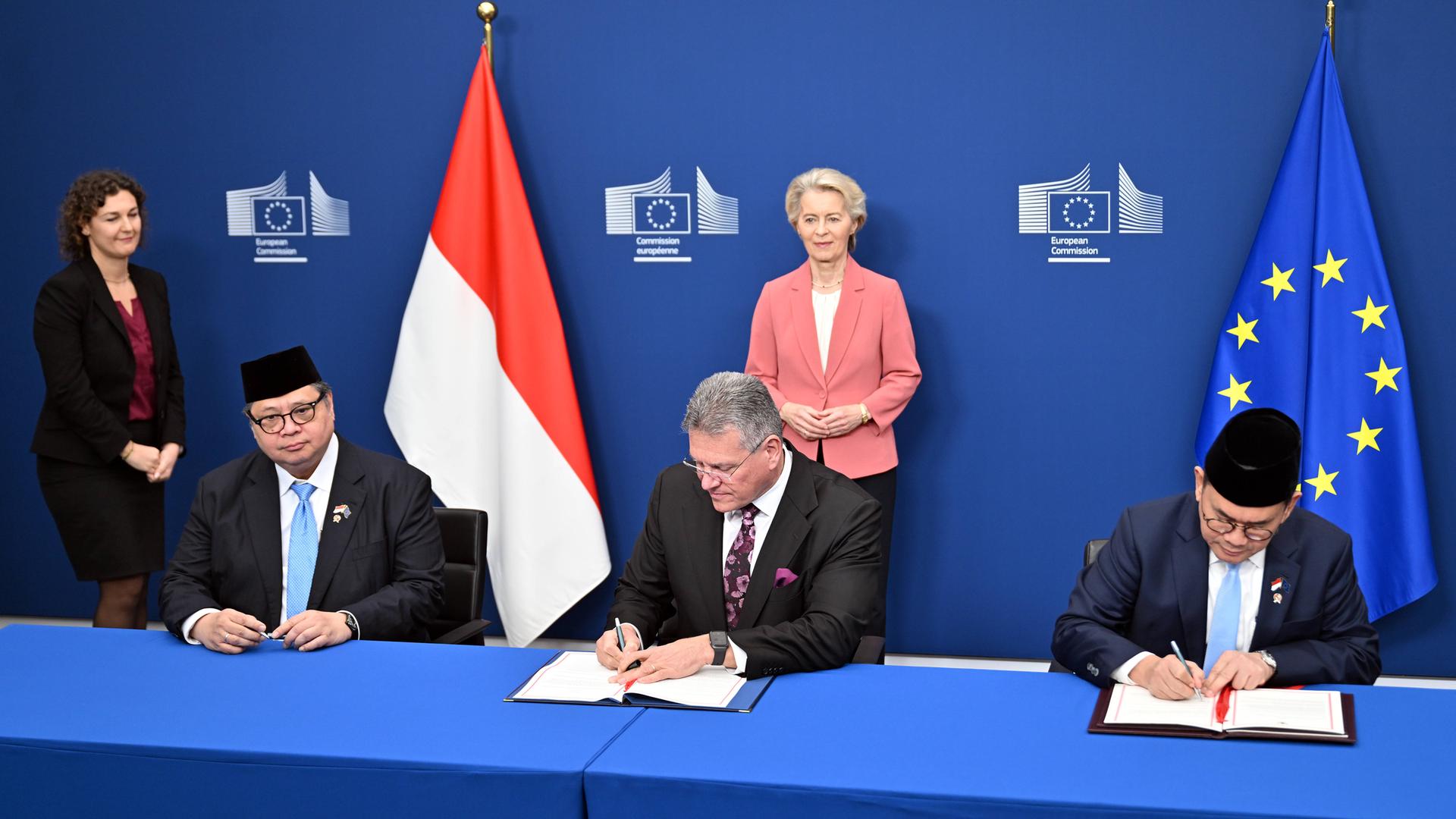
The European Union and Indonesia concluded a free trade agreement and a separate investment protection agreement in Brussels on Saturday. Once fully implemented, tariffs will disappear in almost all categories of goods, and the European Commission expects a significant increase in EU exports.

william william · Unsplash License
- 0views
- 0likes and saves
- 0skips
In brief
- The EU and Indonesia signed a free trade agreement and a separate investment protection agreement in Brussels.
- Once fully implemented, tariffs are to be eliminated on 98.5 percent of product categories.
- The agreement requires ratification on both sides and is expected to enter into force next year.
What was signed
Saturday's ceremony covered the Comprehensive Economic Partnership Agreement (CEPA) and a separate investment protection agreement (EU and Indonesia sign trade deal – DW) (Freihandelsabkommen: EU und Indonesien unterzeichnen weitreichenden Handelsdeal – FAZ.NET). Negotiations lasted nearly ten years (Weltwirtschaft - EU und Indonesien besiegeln umfassendes Handelsabkommen – Deutschlandfunk) (Welthandel: EU und Indonesien unterzeichnen weitreichenden Handelsdeal – ZEIT ONLINE). Von der Leyen described the agreement as one of the most ambitious the Union has concluded in Asia, and noted that together with Indonesia it creates a market of 730 million people.
How many tariffs will disappear
According to the European Commission, once fully implemented, tariffs will be eliminated on up to 98.5 percent of product categories. The Commission estimates that EU exporters could thereby save about 600 million euros a year in duties. Indonesia is to eliminate, within five years, tariffs on European cars, which currently reach 50 percent. Tariffs on most agricultural products from European producers are also to be removed, and more than 200 European geographical indications are covered by protection.
Sectors and palm oil exports
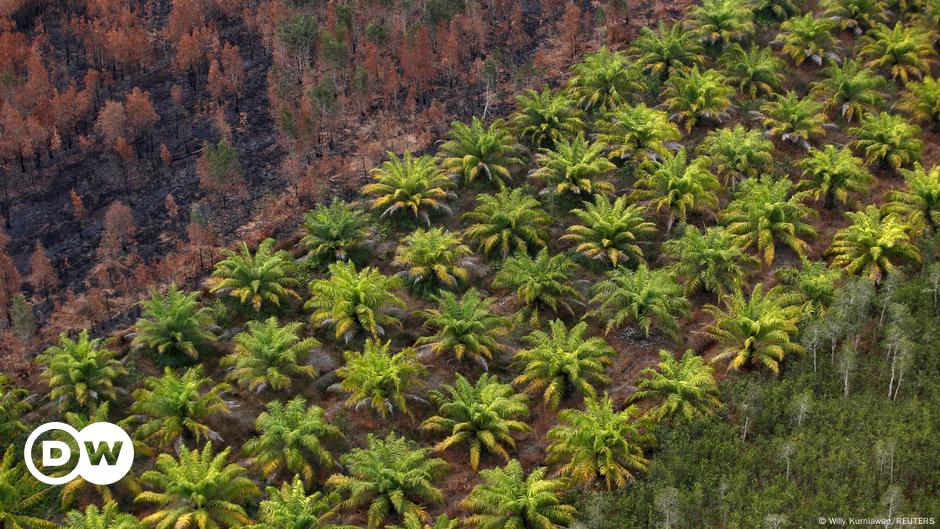
The agreement aims to reduce trade barriers and attract investment in strategic sectors: electric vehicles, electronics and pharmaceuticals. Exports of palm oil products are covered by the agreement but will be strictly regulated.
Trade context
The bloc wants to reduce its dependence on individual partners, as trade with China and the United States has become more difficult in recent years. Berlin and Brussels also see the agreement as a response to the protectionist tariff policy of the Donald Trump administration. Von der Leyen stressed that the Union remains open to partners while others close their markets.
What comes next
After ratification, which requires the consent of the European Parliament and procedures on the Indonesian side, the agreement is expected to enter into force next year.
Sources
- [1]
Welthandel: EU und Indonesien unterzeichnen weitreichenden Handelsdeal· ZEIT ONLINE
- [2]
 Freihandelsabkommen: EU und Indonesien unterzeichnen weitreichenden Handelsdeal· FAZ.NET
- [3]
 Weltwirtschaft - EU und Indonesien besiegeln umfassendes Handelsabkommen· Deutschlandfunk
- [4]
 EU and Indonesia sign trade deal· DW
Discussion0
- No comments from this perspective yet. Be the first.