UN talks on autonomous weapons end with minimal agreement and no binding rules
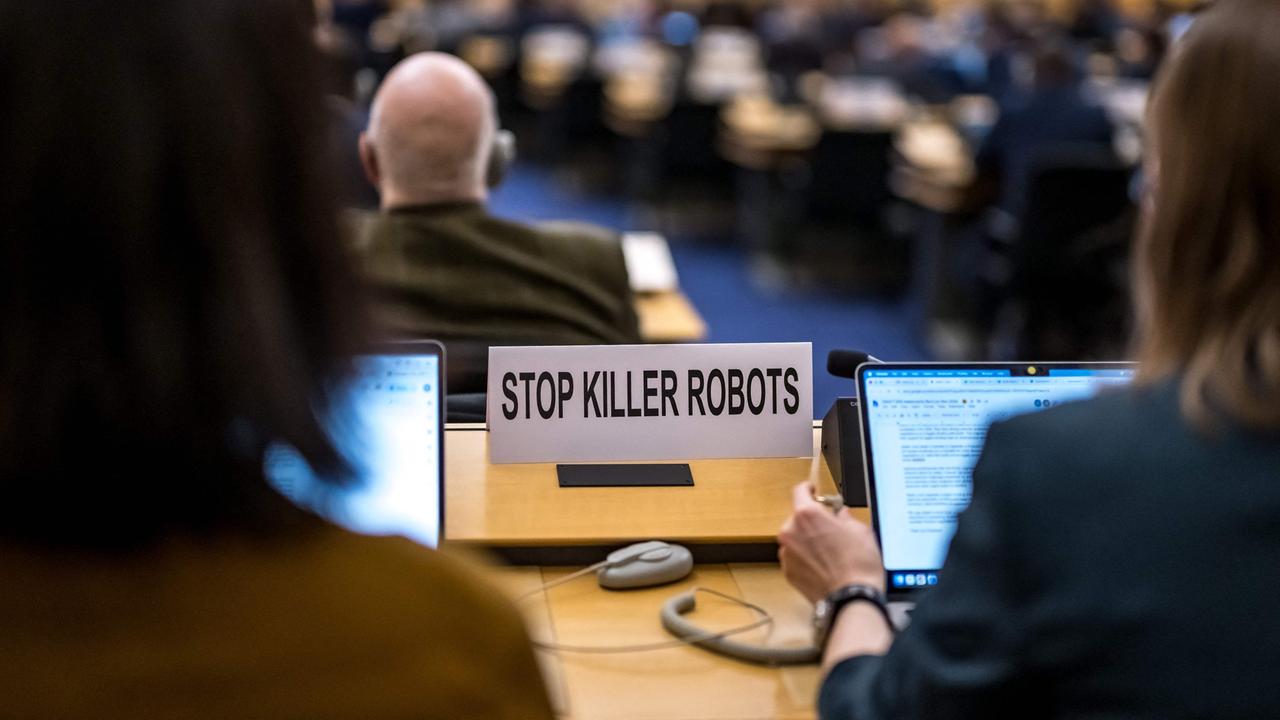
Negotiators at the UN weapons convention in Geneva agreed to keep talking for two more years, but stopped short of committing to a legally binding ban on lethal autonomous weapons. Russia and the United States were among the states that resisted firm limits.

Jakub Żerdzicki · Unsplash License
- 0views
- 0likes and saves
- 0skips
In brief
- UN talks in Geneva on lethal autonomous weapons ended in the early morning with only a minimal compromise.
- Negotiators agreed to keep working for two years but did not mandate a legally binding prohibition.
- Around 100 countries backed binding rules, while the United States, Russia and Israel opposed them.
Talks extended, no binding commitment
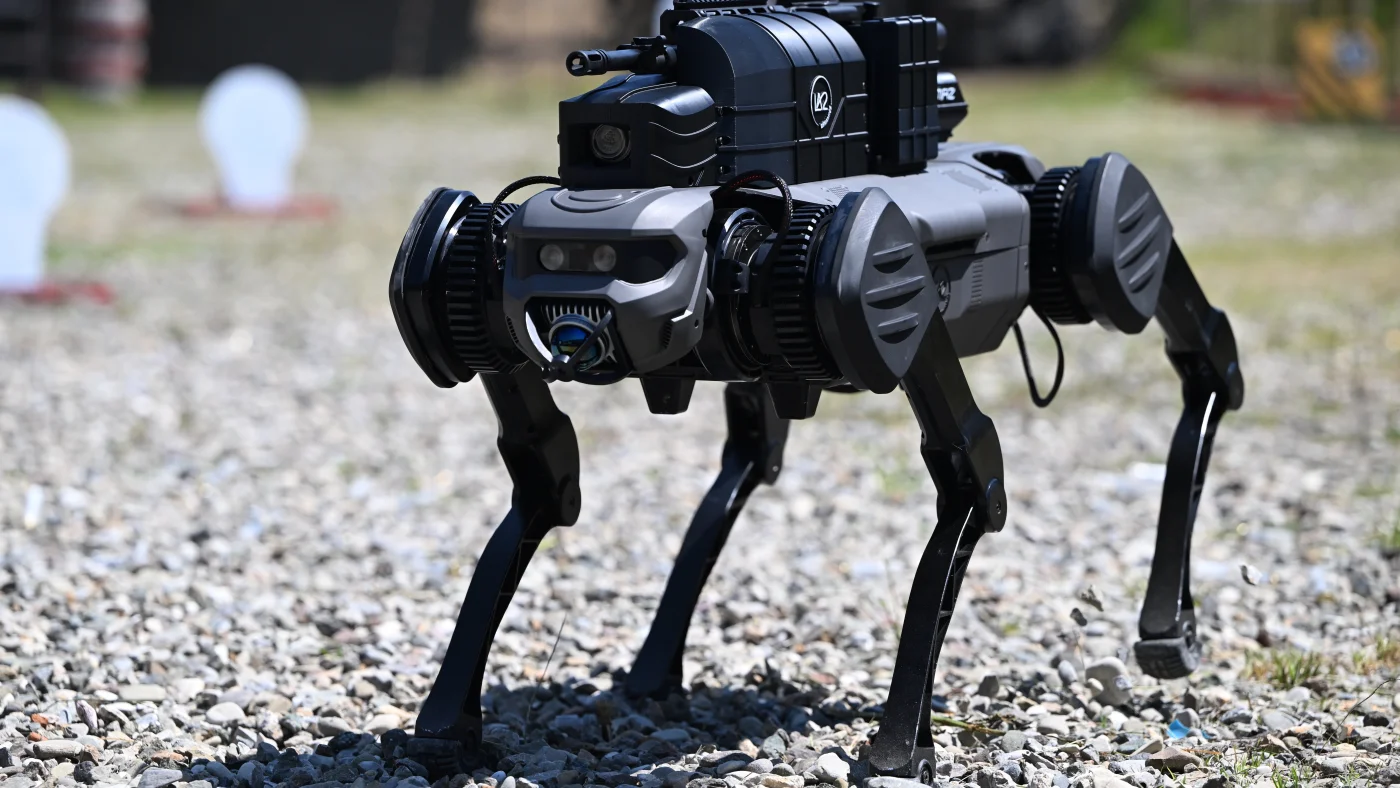
After overnight negotiations, the review conference of the UN Convention on Certain Conventional Weapons in Geneva closed in the early morning with only a minimal compromise on lethal autonomous weapons systems, sometimes called killer robots (Genf - Regeln für "Killerroboter": UNO-Gespräche enden mit Minimalkonsens – Deutschlandfunk) (Killerroboter: UN-Konferenz endet mit Minimalkompromiss – tagesschau.de) (Killerroboter: UN-Konferenz endet mit Minimalkonsens – DER SPIEGEL).
The diplomats did not agree to mandate negotiations on a legally binding prohibition of particularly dangerous weapons systems. Instead, work will continue, with the aim of producing new rules within two years. Whether those rules will ever take the form of a binding treaty remains open.
Divided positions
Around 100 countries backed strict, legally binding rules covering systems that can select and attack targets with little or no human involvement (Genf - UNO-Gespräche über autonome Waffen enden ohne verbindliche Zusage – Deutschlandfunk). Major arms producers, including the United States, Russia and Israel, rejected that approach. Russian resistance was a key reason the agreement fell short of what human rights groups had hoped for.
UN Secretary-General António Guterres has called for binding rules, and many states and activists share that goal (Nations at UN talks on AI killer robots agree to more talks but no firm commitment to rein them in – NPR). The outcome, which commits states only to work toward a possible accord by 2028, fell well short of that demand.
Reaction
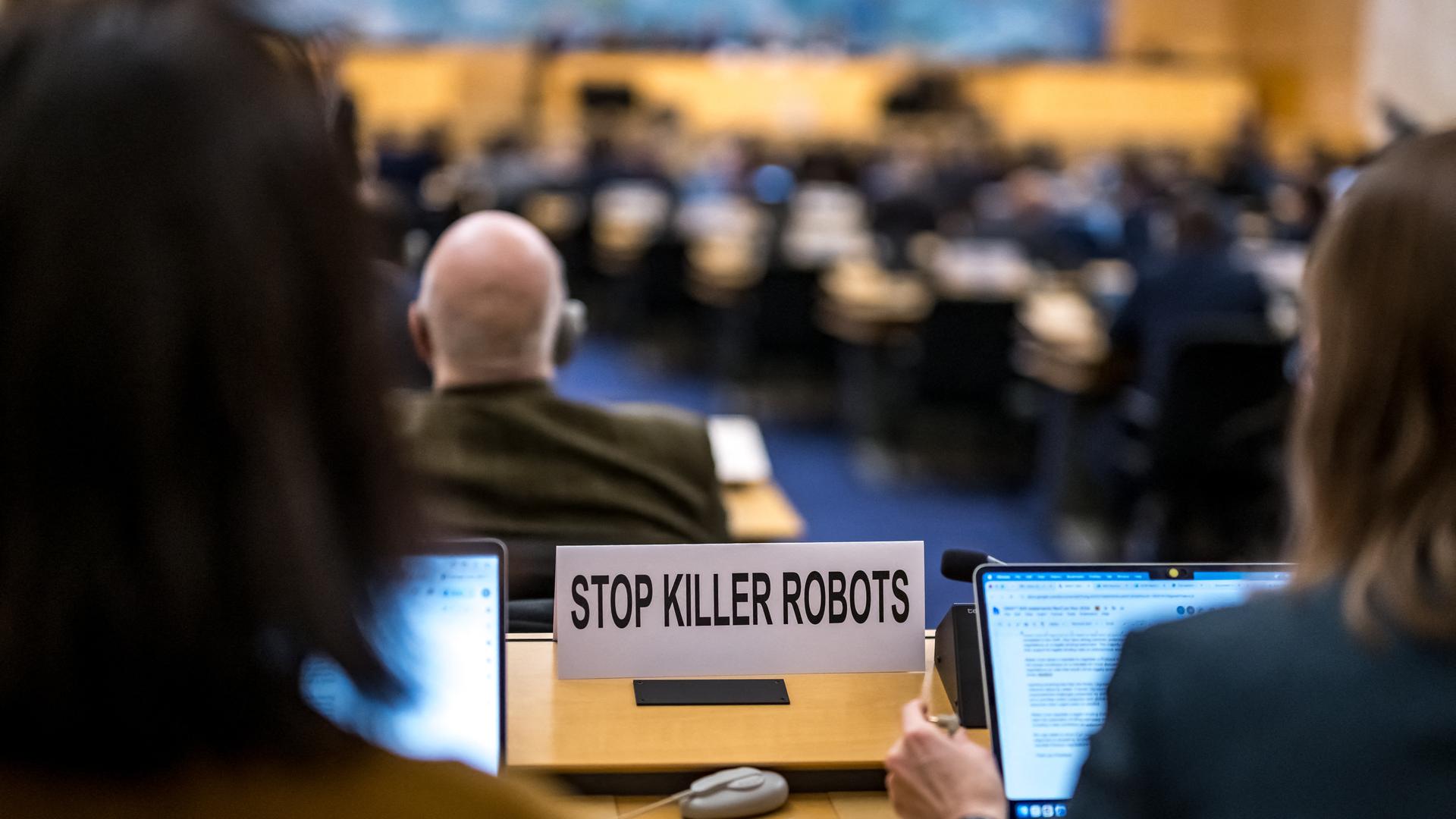
Non-governmental organisations such as Stop Killer Robots described the result as disappointing, calling it a lowest-common-denominator outcome. Weapons that are not banned remain legal under current international law, and the talks have not changed that (Autonome Waffen: Erste UN-Gespräche über autonome Waffen enden ohne gemeinsame Regeln – ZEIT ONLINE).
Read also
- UN Geneva Conference to Weigh Restrictions on AI-Powered Autonomous Weapons
Sources
- [1]
 Genf - UNO-Gespräche über autonome Waffen enden ohne verbindliche Zusage· Deutschlandfunk
- [2]
Autonome Waffen: Erste UN-Gespräche über autonome Waffen enden ohne gemeinsame Regeln· ZEIT ONLINE
- [3]
 Killerroboter: UN-Konferenz endet mit Minimalkonsens· DER SPIEGEL
- [4]
 Killerroboter: UN-Konferenz endet mit Minimalkompromiss· tagesschau.de
- [5]
 Nations at UN talks on AI killer robots agree to more talks but no firm commitment to rein them in· NPR
- [6]
 Genf - Regeln für "Killerroboter": UNO-Gespräche enden mit Minimalkonsens· Deutschlandfunk
Discussion0
- No comments from this perspective yet. Be the first.