US Hyperscale Data Centers Use Electricity Comparable to Entire States and Mostly Run on Fossil Fuels
A Harvard-led study in Nature Sustainability estimates that America's largest data centers consumed power on the scale of entire states in a single year, with fossil fuels still supplying most of it. Their combined emissions roughly match Denmark's annual output.

Lightsaber Collection · Unsplash License
0100
- 0views
- 0likes and saves
- 0skips
In brief
- A Harvard-led study finds that the largest U.S. hyperscale data centers rely mainly on fossil fuels.
- The facilities used electricity on the scale of several U.S. states over one year.
- The 403 facilities emitted about 25.7 million metric tons of carbon dioxide, roughly Denmark's annual total.
Fossil fuels still dominate the power supply
According to researchers from the Harvard T.H.
Consumption rivals whole states
Over a year, the hyperscale facilities used as much electricity as several entire U.S. states (U.S. hyperscale data centers' combined electricity use rivals that of some states – Phys.org) (Just 400 US Data Centers Use More Electricity Than Michigan – WIRED). Data center demand already exceeds the consumption of individual states such as Michigan, and that figure leaves out facilities running on their own off-grid gas plants.
Emissions and share of national demand
The researchers counted 403 hyperscale facilities across the country (Surge of US datacenters adds equivalent of Denmark’s annual emissions, study finds – The Guardian). Together they emitted about 25.7 million metric tons of carbon dioxide in the period studied, a total the Guardian compares with Denmark's entire annual carbon pollution. That estimate is roughly two to three times higher than an earlier estimate of hyperscale emissions for 2018. The facilities accounted for about 1.8% of total U.S. electricity consumption.
A figure drawn from the buildout
| Measure | Value | |---|---| | Hyperscale facilities counted | 403 | | Carbon dioxide emitted (million metric tons) | 25.7 | | Share of total U.S. electricity use | 1.8% |
Pressure from the building boom
The findings arrive as construction of these facilities accelerates to meet generative AI demand (US data centers now burn more electricity than a midsized country – The Verge). Researchers say much more work is needed to cut the pollution tied to AI's reliance on fossil power. Data centers have also become a contested political issue in the United States, and analysts point to local voter opposition to the facilities as a factor in recent midterm results (Scientists Finally Know How Much Power America’s Biggest Data Centers Use—and It’s Worse Than We Thought – Gizmodo).
Sources
- [1]
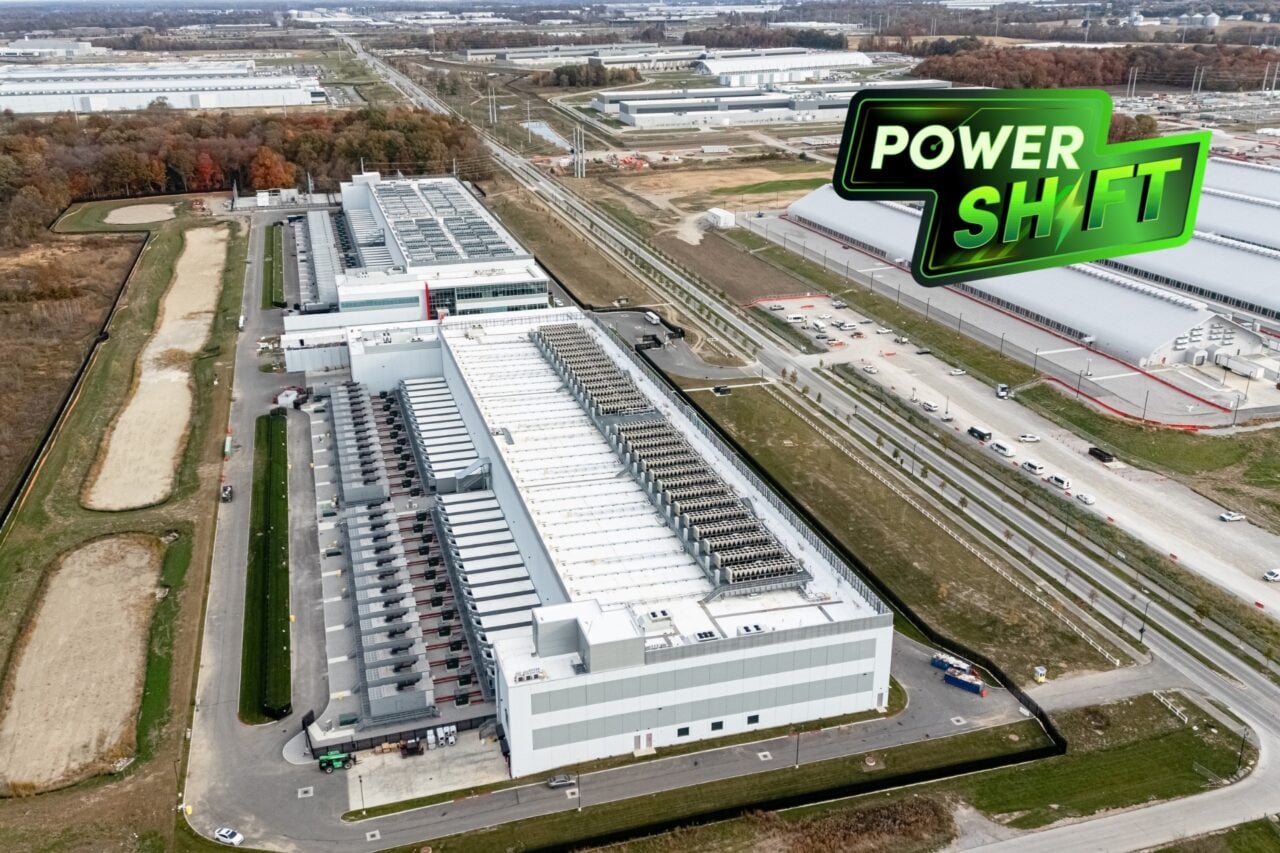 Scientists Finally Know How Much Power America’s Biggest Data Centers Use—and It’s Worse Than We Thought· Gizmodo
- [2]
 U.S. hyperscale data centers' combined electricity use rivals that of some states· Phys.org
- [3]
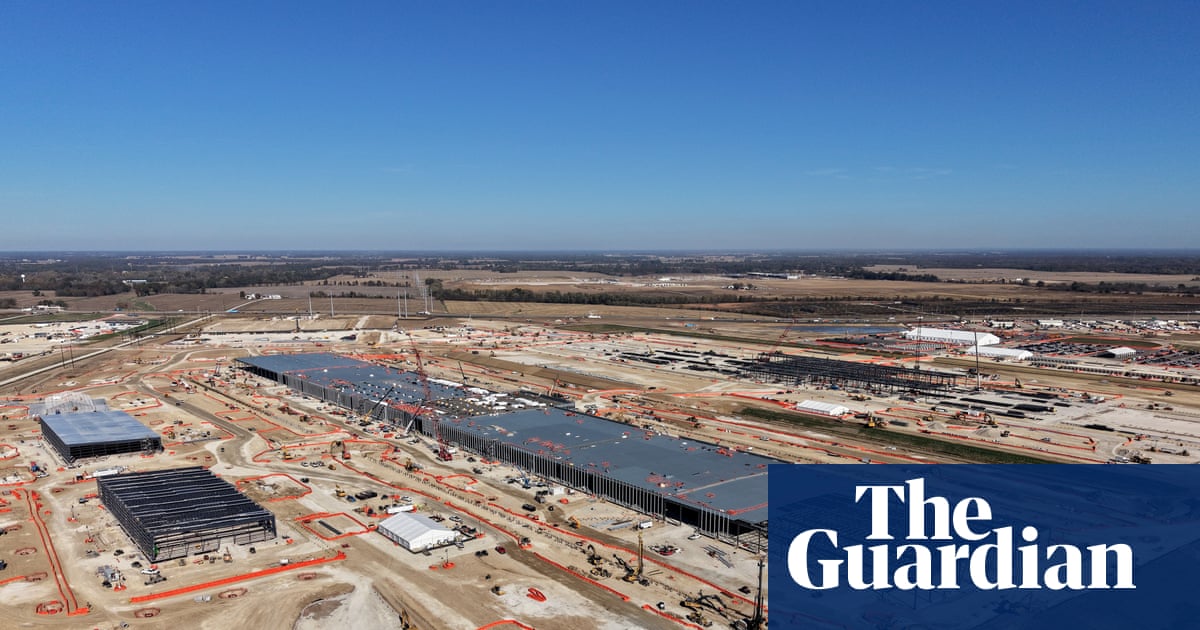 Surge of US datacenters adds equivalent of Denmark’s annual emissions, study finds· The Guardian
- [4]
 Just 400 US Data Centers Use More Electricity Than Michigan· WIRED
- [5]US data centers now burn more electricity than a midsized country· The Verge
Discussion0
- No comments from this perspective yet. Be the first.