WHO warns antibiotic resistance is spreading and could cause millions of deaths by 2050
The World Health Organization says resistance to antibiotics and other antimicrobial drugs is growing and could cause 39 million deaths by 2050. The agency calls for stronger action on prevention, diagnosis and prudent use.

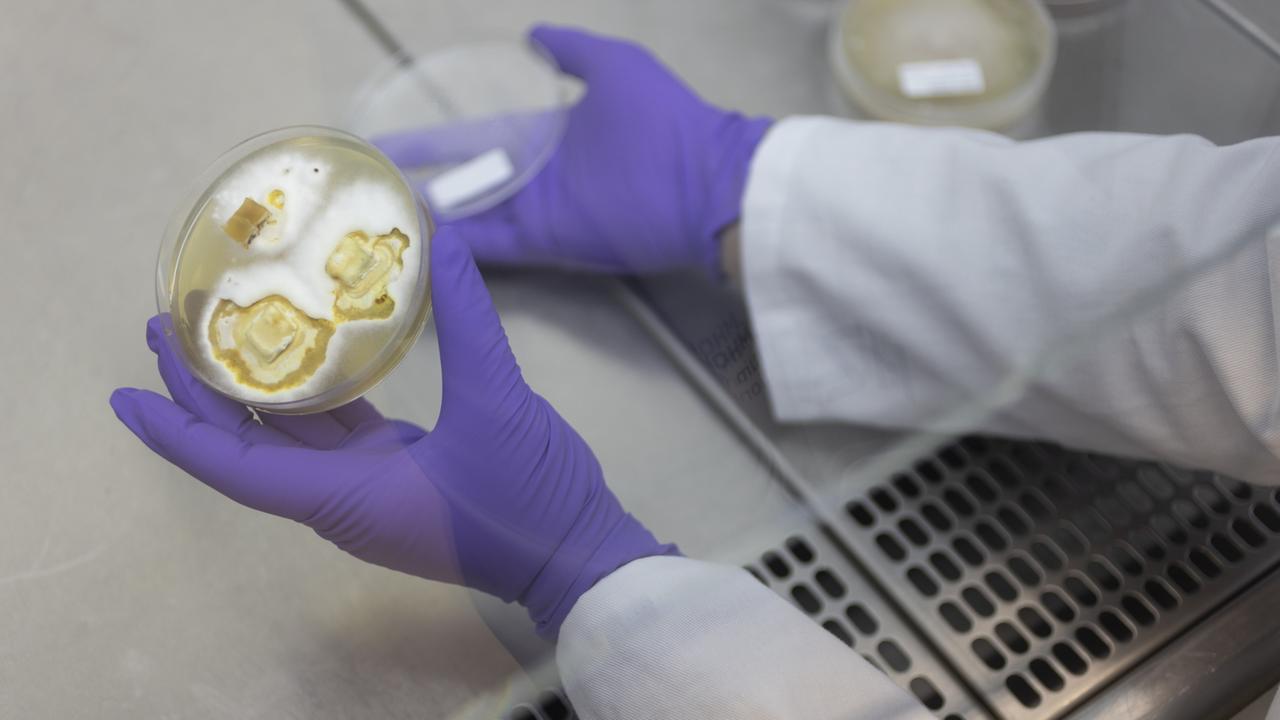
National Cancer Institute · Unsplash License
- 0views
- 0likes and saves
- 0skips
In brief
- The WHO warns that resistance to antibiotics and other antimicrobial drugs is rising and could cause 39 million deaths by 2050.
- In 2021, over one million deaths were directly linked to resistant infections, with about 4.7 million associated in total.
- More than 90 percent of 183 surveyed countries have a national action plan, but only 42 have a funded, implemented and monitored one.
- The WHO calls for better prevention, diagnosis and prudent use of antibiotics in humans and livestock.
Resistance is rising and threatens modern medicine
The World Health Organization has warned that drugs used against bacteria, viruses and fungi are losing effectiveness as resistance spreads. The agency estimates that, by 2050, resistance could cause 39 million deaths worldwide (Oporność na antybiotyki. Alarm WHO – Deutsche Welle). A WHO specialist said the threat is widespread and endangers the future of modern medicine (WHO warnt vor wachsenden Antibiotika-Resistenzen – tagesschau.de).
Deaths linked to resistance
In 2021, more than one million people died directly from infections caused by resistant pathogens. Counting deaths in which resistance played a role, the total reached about 4.7 million (Resistenzen - WHO warnt vor zunehmender Unwirksamkeit von Antibiotika – Deutschlandfunk). Cancer patients and people with chronic illnesses face particular risk when they become infected with germs that no longer respond to standard treatment.
Progress in national plans, gaps in funding
The WHO reports that more than 90 percent of the 183 countries surveyed now have a national action plan against antimicrobial resistance, up from about 40 percent in 2017. Only 42 countries, however, have a plan that is funded, implemented and monitored.
Causes and what the WHO wants
According to the agency, the main drivers include overuse and premature use of antibiotics in humans and in livestock. The WHO has called on governments to strengthen prevention of infections, improve diagnosis and ensure antibiotics are prescribed only when needed. It also urges more investment in infection control so that existing drugs remain useful.
Sources

Discussion0
- No comments from this perspective yet. Be the first.