Cambridge Dictionary names "human" its word of 2026 amid AI debate
The Cambridge Dictionary has chosen "human" as its word of the year for 2026, linking the pick to the growing role of artificial intelligence in writing and everyday language.

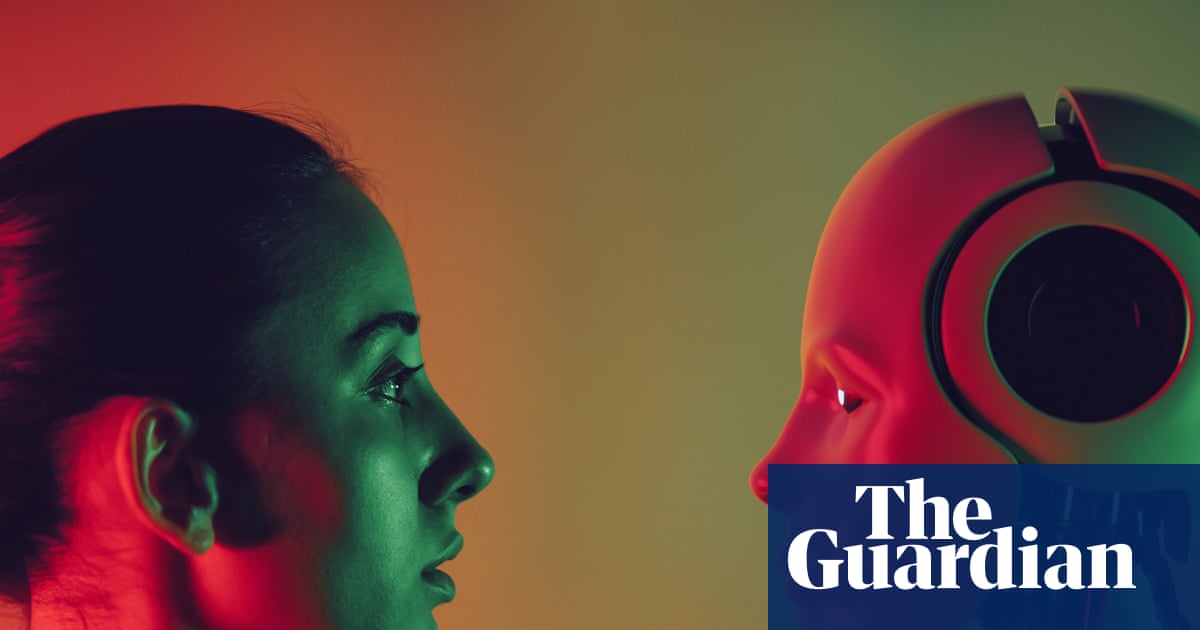
In brief
- The Cambridge Dictionary named "human" its word of 2026.
- The adjective increasingly appears in compounds such as "human-written" and "human-made" to distinguish people's work from AI output.
- Editors linked the choice to the spread of AI and a possible turning point in attitudes toward it.
A word that now marks what machines did not make
The Cambridge Dictionary has picked "human" as its word of 2026, according to reports published on 18 November (Кембрыджскі слоўнік назваў слова «людскі» словам 2026 года – Nasza Niwa) («Человеческий» (human) стало словом года по версии Кембриджского словаря – TV Rain) (Кембриджский словарь выбрал слово года — «человеческий» – Meduza) (‘Human’ wins Cambridge dictionary’s word of the year – The Guardian). The dictionary defines the adjective as having the qualities, faults and feelings of people, as opposed to gods, animals or machines.
Why editors singled it out
The word has long contrasted people with animals and deities, and in recent years with machines. Its use is shifting. It now appears more often in compounds such as "human-written", "human-generated" and "human-made", where it signals that a text, image or product came from people rather than from generative AI.
The dictionary's editors said this change may simply reflect how widely AI is now used. They also suggested it could point to a turning point in how people think about AI.
Competition from other tech terms
Technology-related words dominated the shortlist, according to The Guardian, which reported that the dictionary's choice was meant to separate human work from the output of advanced computer systems. Rival dictionaries have also made pop-culture and digital picks this season, including Collins' "mogging".
Context from last year
In 2025 the same dictionary chose "parasocial", a term for one-sided emotional attachment to celebrities, fictional characters or AI systems. Some of the same concerns about AI and identity run through both choices.
What comes next
The dictionary's selection is an annual editorial decision rather than a measure of usage statistics, and its effect is mainly to draw attention to how language around AI is changing. Whether "human" keeps its new sense in everyday use will become clearer in the coming months.
Sources


- #CambridgeDictionary
- #WordOfTheYear
- #Human
- #ArtificialIntelligence
- #AI
- #Language
Story graph
Connected stories
Cambridge Dictionary names "human" its word of 2026 amid AI debate
The Cambridge Dictionary has chosen "human" as its word of the year for 2026, linking the pick to the growing role of artificial intelligence in writing and ev…