EU Digital Fairness Act: new rules target manipulative online sales tricks and hard-to-cancel subscriptions
The European Commission has proposed a Digital Fairness Act that would ban certain manipulative practices in online shopping, make subscriptions easier to cancel and allow fines of up to 6 percent of a company's global annual turnover. Brussels says consumers could save up to €13.7 billion a year.


In brief
- The European Commission has proposed a Digital Fairness Act targeting manipulative online sales practices and hard-to-cancel subscriptions.
- The draft allows fines of up to 6 percent of a company's global yearly revenue.
- The Commission expects consumers could save up to €13.7 billion a year.
What the proposal covers
The Commission presented the draft on 11 November. It aims to bring online consumer protection closer to the level that applies in shops and offline sales. The bill targets so-called dark patterns, design tricks that push people toward purchases they would not otherwise make. Examples cited include false warnings that a product is almost sold out and items added to a shopping basket automatically. (Digital Fairness Act - EU will digitalen Verbraucherschutz stärken – tagesschau.de) (EÚ chce posilniť ochranu spotrebiteľov: Pri nákupoch na internete navrhuje zakázať niektoré manipulatívne praktiky – STVR)
Subscriptions and tickets
Cancelling a contract should not be much harder than signing up, according to the draft. A few clicks should be enough. The rules also aim to strengthen consumer rights when buying tickets, shopping online and purchasing computer games, and to curb hidden commercial pressure from companies. (Digital Fairness Act - EU-Kommission: Abonnements im Internet sollen einfacher zu kündigen sein – Deutschlandfunk) (Verbraucherschutz: EU-Kommission will Verbraucherrechte im Internet stärken – ZEIT ONLINE)
Savings estimate
The Commission expects European consumers could save up to €13.7 billion a year as a result of the measures, Irish Commissioner Michael McGrath said when presenting the law.
Penalties and enforcement
Companies that breach the rules could face fines reaching 6 percent of their global yearly revenue. The Commission also wants the power to investigate large-scale breaches of consumer law in the single market directly, rather than leaving that to national authorities alone.
Who is affected
The rules would apply to online retailers, platforms, ticket sellers and app and game providers operating in the EU. Services such as language apps and fitness trackers have also been named in coverage of the proposal. (Duolingo, Strava, and Ticketmaster Are All Caught Up in EU’s New Digital Fairness Rules – WIRED)
Next steps
The draft still has to be approved by the Council of the EU, which represents member states, and by the European Parliament before it can become law.
Reaction
German publishers have voiced criticism of the proposal, according to public broadcaster reporting.
Sources
- [1]
Verbraucherschutz: EU-Kommission will Verbraucherrechte im Internet stärken· ZEIT ONLINE
- [2]EÚ chce posilniť ochranu spotrebiteľov: Pri nákupoch na internete navrhuje zakázať niektoré manipulatívne praktiky· STVR
- [3]
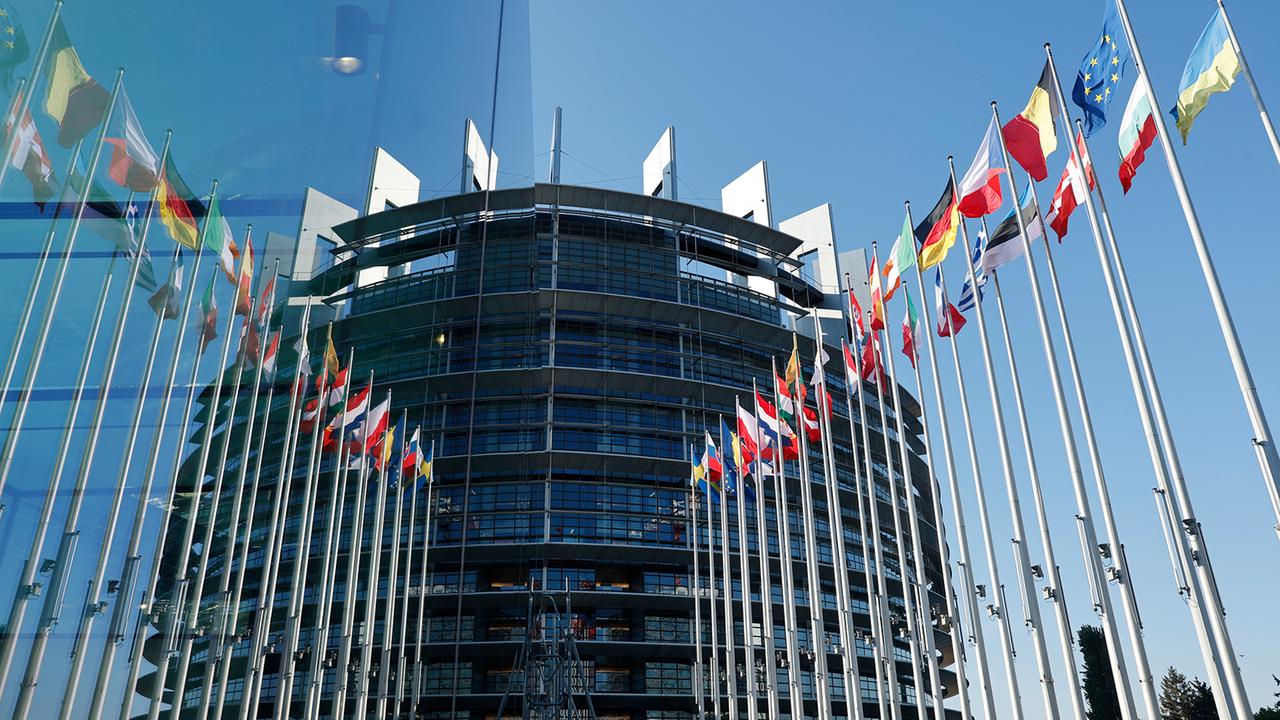 Digital Fairness Act - EU will digitalen Verbraucherschutz stärken· tagesschau.de
- [4]
 Duolingo, Strava, and Ticketmaster Are All Caught Up in EU’s New Digital Fairness Rules· WIRED
- [5]
 Digital Fairness Act - EU-Kommission: Abonnements im Internet sollen einfacher zu kündigen sein· Deutschlandfunk
- #DigitalFairnessAct
- #ConsumerProtection
- #DarkPatterns
- #EuropeanCommission
- #Subscriptions
Story graph
Connected stories
EU Digital Fairness Act: new rules target manipulative online sales tricks and hard-to-cancel subscriptions
The European Commission has proposed a Digital Fairness Act that would ban certain manipulative practices in online shopping, make subscriptions easier to canc…