Fossilised Dinosaur Blood Cells and Heme Found in 115-Million-Year-Old Bone
Researchers say they have identified mineralised red blood cells and heme molecules in the leg bones of a Brazilian theropod dinosaur, which would be the first evidence of its kind.


In brief
- The article covers claimed discovery of mineralised red blood cells and heme in the leg bones of a 115-million-year-old dinosaur from Brazil.
- The authors say chemical evidence makes this the first confirmed case of preserved blood in a fossil.
- Some specialists doubt the findings and say more independent analysis is needed.
Red blood cells preserved in a Cretaceous bone
An international team led by Curtin University reports that it found mineralised red blood cells and intact heme in the hind limb bones of Aratasaurus museunacionali, a small meat-eating theropod that lived about 115 million years ago in what is now north-eastern Brazil (Dinosaurier: Rote Blutkörperchen in 115 Millionen Jahre altem Fossil – DER SPIEGEL) (Dinosaur blood—oldest discovery rewrites what fossils can reveal about the past – Phys.org) (Fossilised red blood cells found in 115m-year-old dinosaur’s bone, say scientists – The Guardian). The study was published in the journal Proceedings of the National Academy of Sciences.
How the scientists identified the remains
Under the electron microscope, the bones showed small, round structures sitting in narrow channels that once carried blood, and their shape matches that of red blood cells. Chemical tests then detected heme, the organic compound that allows haemoglobin to carry oxygen through the body. The researchers also reported amino acids associated with collagen in the same bones.
Why the finding matters
Earlier work had described possible red blood cell structures in fossils, but the authors contend that this is the first case where chemical evidence confirms preserved blood (Учені знайшли сліди крові динозавра віком 115 мільйонів років: вони зробили сенсаційне відкриття – TSN). If confirmed, the work would change how scientists think about molecular preservation over very long timescales and what fossils can reveal about ancient physiology (Naukowcy zajrzeli do wnętrza kości dinozaura. To może być pierwsze takie odkrycie w historii – Rzeczpospolita).
Scientific caution
Not all specialists accept the conclusions. Some researchers have questioned whether the structures and chemical signals can be fully separated from later contamination or mineral processes. The authors describe the findings as a new approach to molecular palaeontology, and further independent analysis is needed before the claim is widely accepted.
Sources
- [1]
 Dinosaur blood—oldest discovery rewrites what fossils can reveal about the past· Phys.org
- [2]
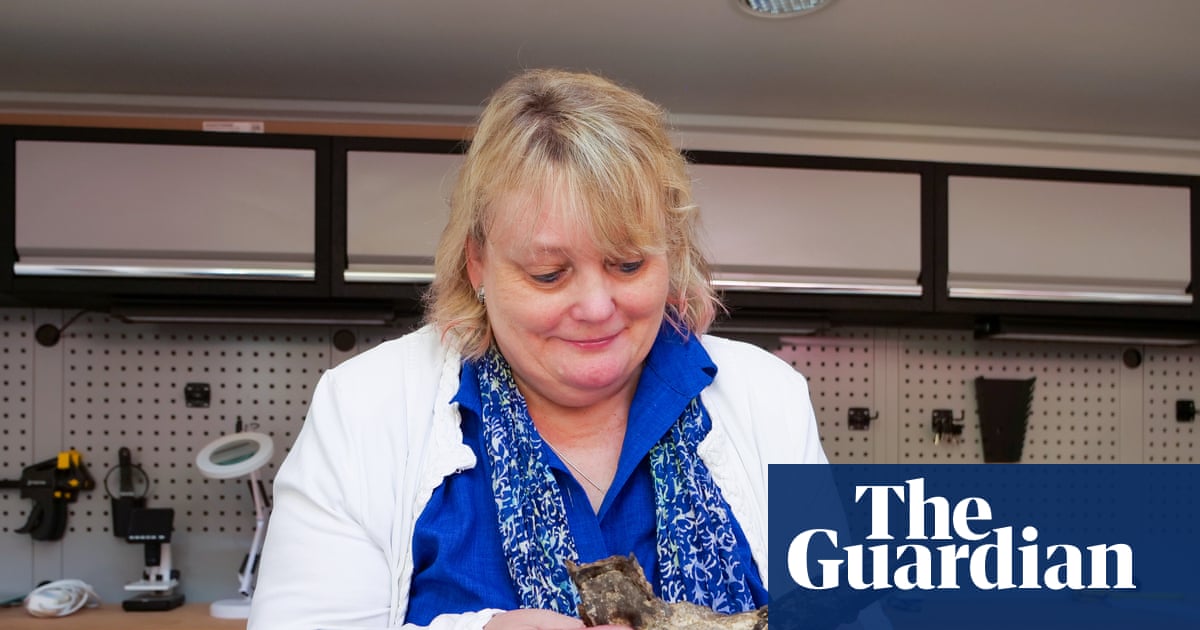 Fossilised red blood cells found in 115m-year-old dinosaur’s bone, say scientists· The Guardian
- [3]
Naukowcy zajrzeli do wnętrza kości dinozaura. To może być pierwsze takie odkrycie w historii· Rzeczpospolita
- [4]
 Dinosaurier: Rote Blutkörperchen in 115 Millionen Jahre altem Fossil· DER SPIEGEL
- [5]
 Учені знайшли сліди крові динозавра віком 115 мільйонів років: вони зробили сенсаційне відкриття· TSN
- #FossilisedDinosaurBloodCells
- #DinosaurHeme
- #115MillionYearOldDinosaurBone
- #BrazilianTheropodFossil
- #PreservedBloodInFossils
Story graph
Connected stories
Fossilised Dinosaur Blood Cells and Heme Found in 115-Million-Year-Old Bone
Researchers say they have identified mineralised red blood cells and heme molecules in the leg bones of a Brazilian theropod dinosaur, which would be the first…