Germany's Cabinet Approves National Gas Reserve for Crisis Protection, Funded by Consumer Levy
Berlin wants a strategic gas reserve of 24 terawatt-hours to protect supply during extreme crises such as sabotage. Households would pay an estimated four to seven euros a year through a levy, and the plan now goes to the Bundestag.


In brief
- The German cabinet approved a draft law to create a national gas reserve for use only in extreme crises such as sabotage.
- The reserve would hold 24 terawatt-hours, about a tenth of German storage capacity, and is planned to start next year.
- It would be financed by a levy on gas customers, estimated at four to seven euros a year for an average household, and the bill now goes to the Bundestag.
A reserve for emergencies, not for price spikes
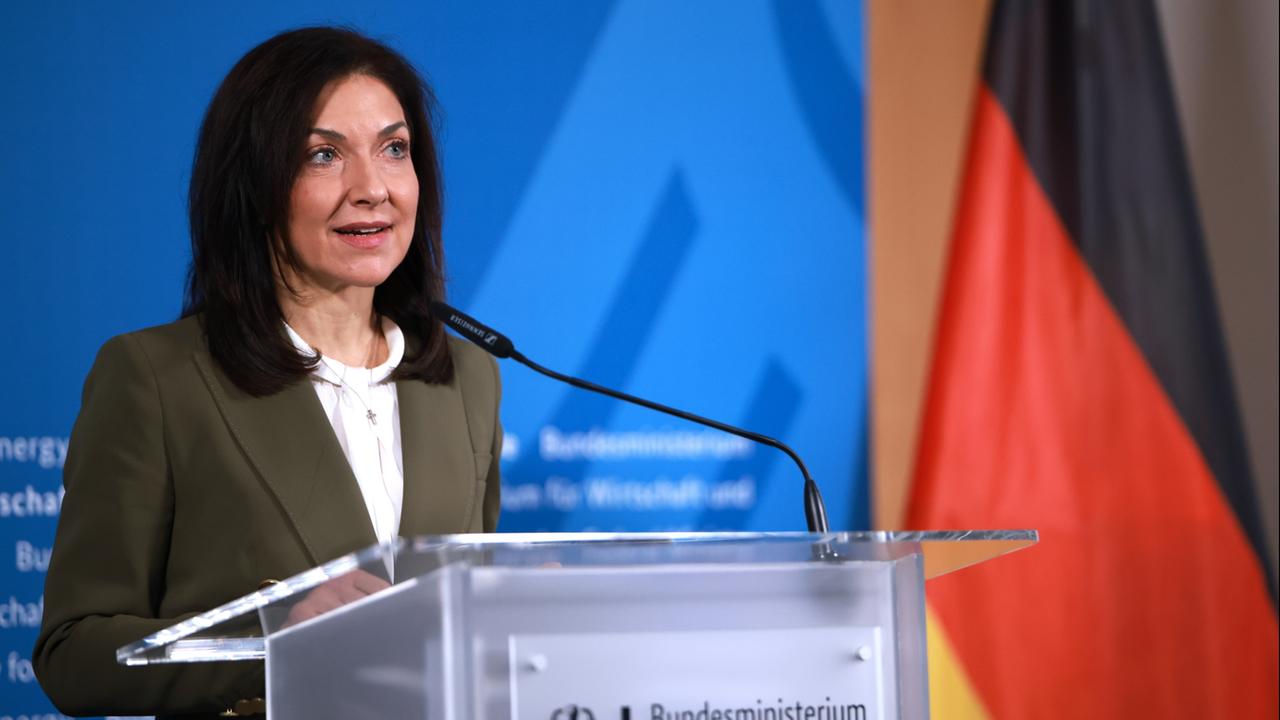
The federal cabinet has approved a draft law to build a national gas reserve, introduced by Economy Minister Katherina Reiche of the CDU. The government says the reserve is meant to add a security buffer when the gas system comes under strain. It stresses that the stock is not intended to shield buyers from high prices. It would be used only in extreme cases, including sabotage and rare large-scale events (Bundeskabinett beschließt Aufbau einer Gasreserve – tagesschau.de) (Kabinett - Bundesregierung beschließt strategische Gasreserve – Deutschlandfunk).
Size and timeline
The planned reserve would hold 24 terawatt-hours of gas, roughly a tenth of Germany's storage capacity (Bundesregierung beschließt nationale Gasreserve – MDR). According to the economy ministry, the physical volumes would be kept aside and could be released only when the emergency level is declared. Construction is to start as early as next year, the ministry said.
Who pays
The cabinet decided that the reserve would be financed through a levy on gas customers. For an average household, the ministry's figures imply an extra cost of four to seven euros per year. The levy is the element most likely to draw public attention, since consumers would carry the cost of insurance they may never see used.
Next steps
The bill now moves to the Bundestag. Parliamentary groups within the governing coalition have reservations about the proposal, according to reports on the cabinet decision. Those disagreements will determine how quickly the reserve can be established.
Why the reserve matters
Reiche said recent years had shown how quickly a supposedly secure energy supply can falter. The debate over the reserve centres on a basic question for policymakers: how much additional insurance against rare shocks the system should pay for, and who should bear that cost.
Sources
- #GasReserve
- #Germany
- #KatherinaReiche
- #GasLevy
- #EnergySecurity
- #Bundestag
- #StrategicReserve
Story graph
Connected stories
Germany's Cabinet Approves National Gas Reserve for Crisis Protection, Funded by Consumer Levy
Berlin wants a strategic gas reserve of 24 terawatt-hours to protect supply during extreme crises such as sabotage. Households would pay an estimated four to s…