Russia Formally Leaves European Anti-Torture Convention, Ending Independent Prison Monitoring
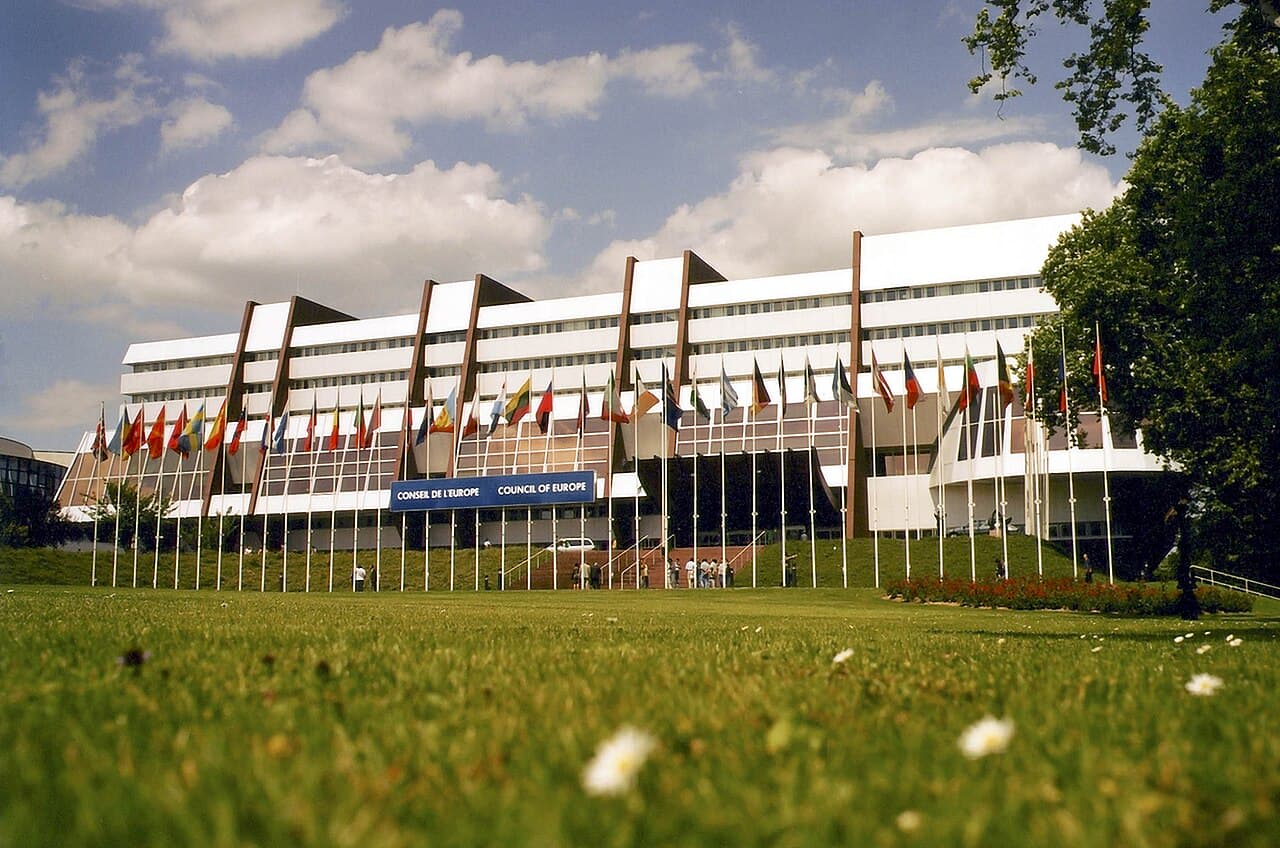
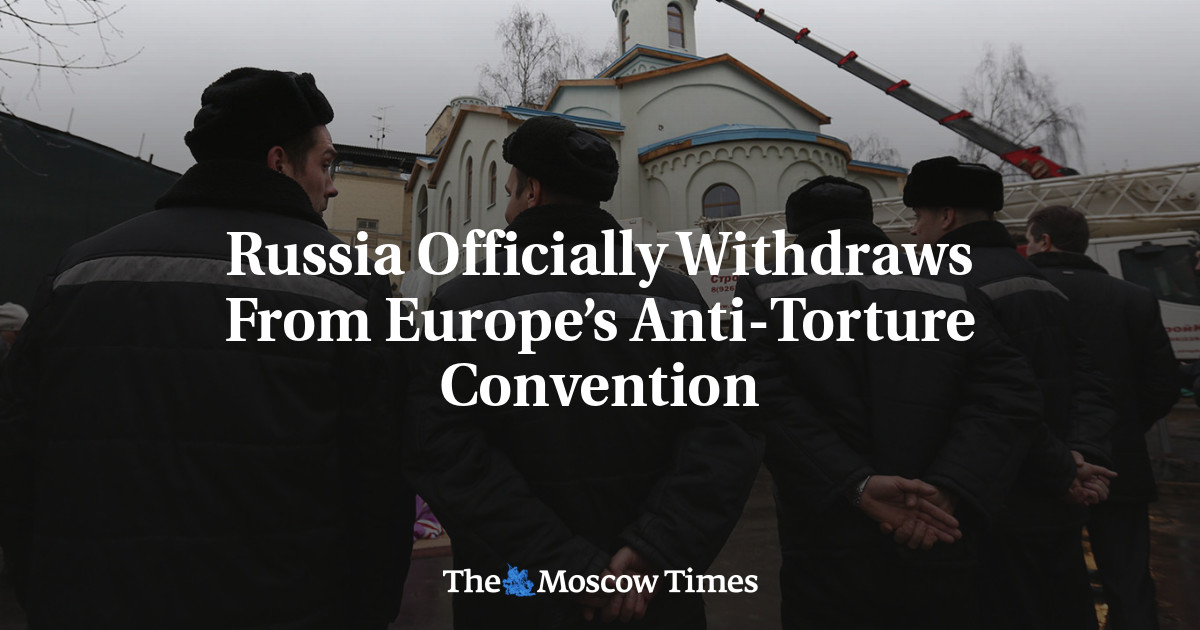
Russia's withdrawal from the European Convention for the Prevention of Torture took effect on November 1, ending independent inspections of its places of detention. The Council of Europe said the move closes all outside monitoring of Russian prisons.


In brief
- Russia's withdrawal from the European anti-torture convention took effect on November 1.
- The Council of Europe says independent monitoring of Russian detention sites has ended.
- Between 1998 and 2021 the committee made 30 visits to Russia, but only four visit reports were published.
Withdrawal takes effect
The Council of Europe has confirmed Moscow's exit from the European Convention for the Prevention of Torture and Inhuman or Degrading Treatment or Punishment, announcing it on Sunday (Rusko vystúpilo z dohovoru proti mučeniu. Kontrolóri Rady Európy strácajú prístup do väzníc – Aktuality.sk) (Russia Officially Withdraws From Europe’s Anti-Torture Convention – The Moscow Times) (Russland-Ukraine-Krieg: Moskau tritt aus europäischer Anti-Folter-Konvention aus – DER SPIEGEL). The departure became effective on November 1, one year after Moscow notified the organisation of its decision in late October 2025 (Росія, яку звинувачують у масових тортурах, вийшла з конвенції про їхню заборону – Європейська правда).
End of monitoring
The Council of Europe said its anti-torture committee will no longer be able to inspect detention sites in Russia.
Limited record of visits
Between 1998 and 2021, the committee carried out 30 visits to Russia and inspected more than 450 detention facilities. Moscow allowed only four visit reports to be published over that period. The unpublished reports cover 10 visits to Chechnya and other North Caucasus regions between 2000 and 2017, and the Council of Europe said Russia may still authorise their release at any time.
Allegations of torture
Rights groups have long said torture and degrading treatment are widespread in Russian police stations and prisons. Nearly all Ukrainian prisoners of war freed from Russian custody in exchanges have also described torture, according to reporting.
Background
Russia's ratification of the treaty in 1998 came two years after it joined the Council of Europe, and the country was removed from the Council in March 2022 following the invasion of Ukraine. Russia's parliament approved the withdrawal from the convention in September 2025.
Sources
- [1]
 Росія, яку звинувачують у масових тортурах, вийшла з конвенції про їхню заборону· Європейська правда
- [2]
 Russia officially withdraws from European Anti-Torture Convention· Ukrinform
- [3]
 Russland-Ukraine-Krieg: Moskau tritt aus europäischer Anti-Folter-Konvention aus· DER SPIEGEL
- [4]
 Russia Officially Withdraws From Europe’s Anti-Torture Convention· The Moscow Times
- [5]
Rusko vystúpilo z dohovoru proti mučeniu. Kontrolóri Rady Európy strácajú prístup do väzníc· Aktuality.sk
- #RussiaEuropeanAntiTortureConvention
- #CouncilOfEuropePrisonMonitoring
- #CPTRussiaWithdrawal
- #RussianDetentionSitesInspections
- #TorturePreventionConventionRussia
Story graph
Connected stories
Russia Formally Leaves European Anti-Torture Convention, Ending Independent Prison Monitoring
Russia's withdrawal from the European Convention for the Prevention of Torture took effect on November 1, ending independent inspections of its places of deten…