Lithuania to hold Russian and Belarusian grain at Klaipeda port pending tests, which could take months
From next week, Lithuanian customs officers will detain Russian and Belarusian grain destined for export at the port of Klaipeda until its origin is confirmed. The tests may take at least two months.

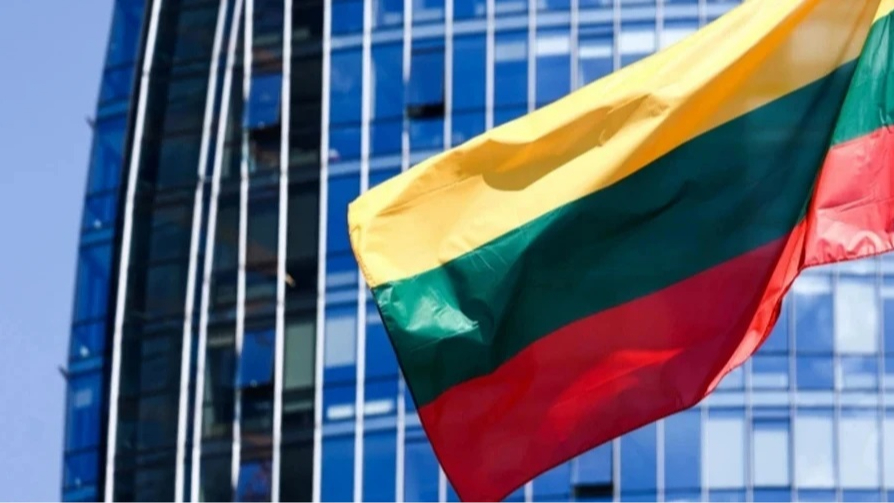
Ali Mkumbwa · Unsplash License
- 0views
- 0likes and saves
- 0skips
In brief
- Starting next week, Lithuania will hold Russian and Belarusian grain bound for export at the port of Klaipeda until its origin is confirmed.
- The analyses may take two months or longer, and consignments of false origin will be returned or destroyed.
- Storage, testing and return costs are borne by the exporters.
Detentions at the port of Klaipeda
Since September, Lithuania has been checking consignments of grain coming from Belarus and Russia. The authorities suspect that some of the cargo may originate from Ukrainian territories occupied by Russia (Литва намагається посилити перевірки транзитного зерна з РФ і Білорусі – Reuters – Українська правда) (Литва будет задерживать зерно из Беларуси и РФ для проверки. Это может занять месяцы – Reform.news). From next week, wheat, barley, sunflower seeds and maize shipped for export through Klaipeda will be subject to the controls. Customs clearance of such cargo will not be completed before laboratory test results are received.
Duration and consequences
A representative of the Lithuanian Ministry of Agriculture stated that the analyses may take two months or longer. If the declared origin proves to be false, the consignment will be returned to the consignor or destroyed.
Lithuania has no laboratory capable of carrying out these analyses, so samples will have to be sent abroad.
Who bears the costs
All costs related to storage, testing, return or destruction of the grain are borne by the exporters. For companies using transit through Klaipeda, this means not only delays but also the risk of losing the goods.
Sanctions context
European Union sanctions prohibit imports of Russian grain, but transit through the territory of the Community remains permitted. Moscow has not commented on the legal status of grain harvested in areas that Russia has occupied and considers its own.
Sources
Discussion0
- No comments from this perspective yet. Be the first.