Slovakia launches campaign encouraging reporting of adverse drug reactions
Slovakia's drug regulator ŠÚKL encourages patients to report adverse reactions, even mild ones. The #MedSafetyWeek campaign runs from 2 to 8 November.

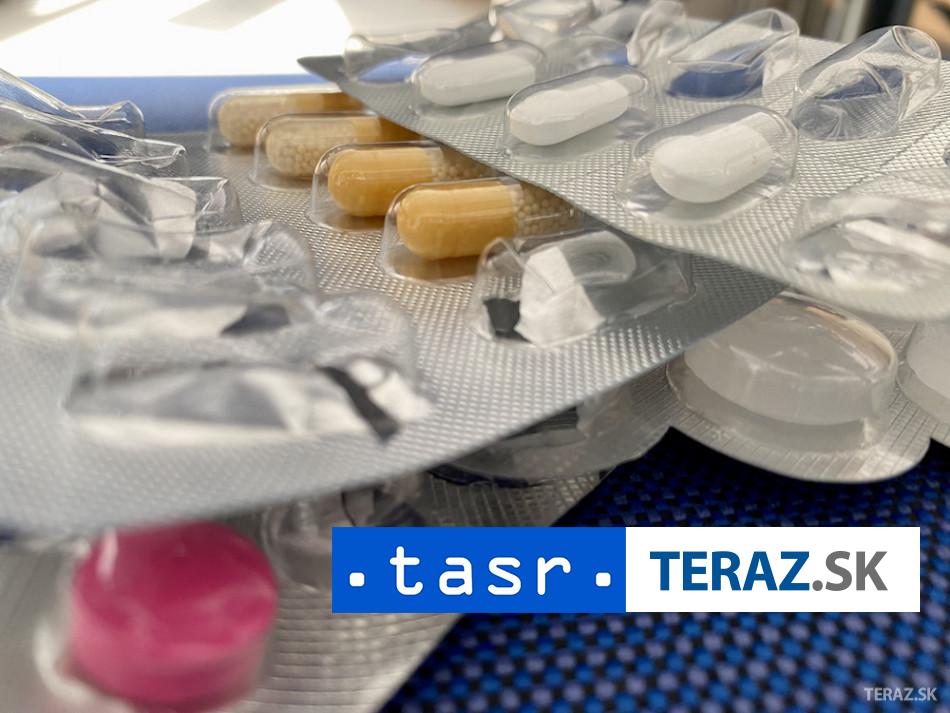
National Cancer Institute · Unsplash License
- 0views
- 0likes and saves
- 0skips
In brief
- Slovakia's institute ŠÚKL encourages reporting even mild adverse drug reactions as part of the #MedSafetyWeek campaign.
- Reporting does not require certainty that a drug caused the symptoms; a suspicion alone is enough.
- Drug safety monitoring continues for as long as a drug is on the market, because clinical trials do not detect all effects.
Campaign reminds people to report side effects
The Slovak State Institute for Drug Control (ŠÚKL) appeals to patients to report every suspected reaction to a drug, including those that seem minor. Early reporting of mild symptoms helps detect possible risks and improves the safety of drug therapy (MedSafetyWeek 2026. Zgłaszanie działań niepożądanych pomaga poprawiać bezpieczeństwo leków - Debaty Zdrowie - Tworzymy przyszłość medycyny! – debaty-zdrowie.pl) (ŠÚKL: Nahlásenie nežiaducich účinkov liekov zvyšuje ich bezpečnosť – TASR / TERAZ.sk).
This year's #MedSafetyWeek campaign runs from 2 to 8 November. Its slogan is: do not ignore side effects, report them. The initiative is coordinated by the Uppsala Monitoring Centre and supported by the WHO.
Certainty is not required
A report does not need to indicate that a specific drug caused the complaints. As the head of ŠÚKL's pharmacovigilance department, Miroslava Gočová, said, even the suspicion that a drug may have caused problems is valuable to the institute. The organization encourages information to be submitted to national reporting systems. Individual reports, analyzed together with other data, can help detect a new risk.
What an adverse reaction is
An adverse reaction is a bodily response, sometimes harmful, that occurs after a drug is taken. It does not affect every patient. It may appear suddenly, develop gradually, or only become apparent after long-term use. Some symptoms are visible immediately, while others only come to light during examinations.
For this reason, safety monitoring continues for as long as the product is on the market.
When the risk is higher
The highest risk of adverse reactions occurs at the start of therapy, when the dosage is changed, and when several preparations are combined. The risk also increases when drugs are combined with foods and dietary supplements. The institute recommends reading the leaflet, observing how the body reacts, and, if in doubt, consulting a doctor or pharmacist.
Read also
- IAL wzywa pacjentów i lekarzy do zgłaszania działań niepożądanych leków
- MedSafetyWeek 2026: EOF zachęca do zgłaszania działań niepożądanych leków przez Żółtą Kartę
Sources
Discussion0
- No comments from this perspective yet. Be the first.