EU "Made in Europe" Plan Raises Concerns Among Suppliers from Turkey, Morocco, Japan and South Korea
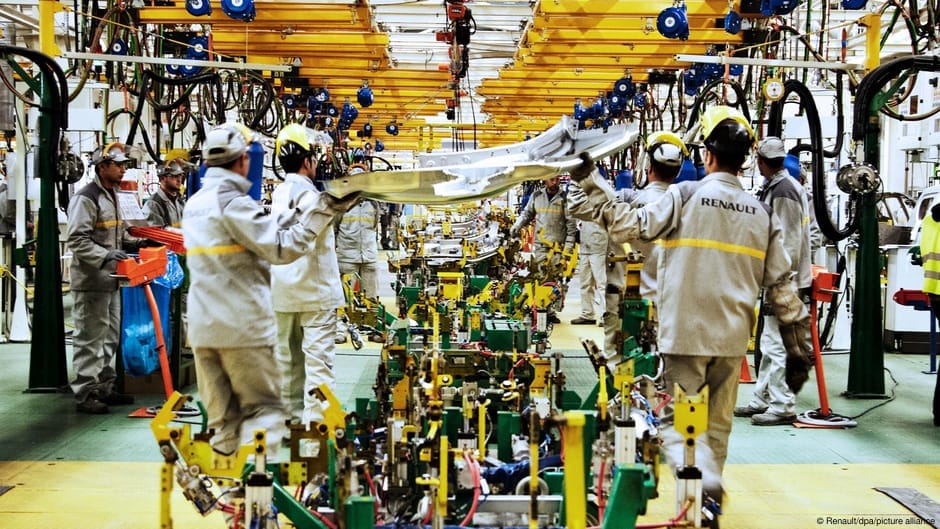
An EU law aimed at strengthening the European automotive industry through subsidies for vehicles produced in the EU is raising concern among countries deeply involved in European supply chains.

𝕡𝕒𝕨𝕤 𝕒𝕟𝕕 𝕡𝕣𝕚𝕟𝕥𝕤 · Unsplash License
- 0views
- 0likes and saves
- 0skips
In brief
- The EU's Industrial Accelerator Act (IAA) is meant to strengthen the European automotive industry through subsidies for vehicles produced in the EU, protecting it from China's unfair trade practices.
- Germany and France have agreed on a compromise that allows suppliers from outside the EU, such as the United Kingdom, to obtain the status of entities of "European origin."
- The plan worries Turkey, Morocco, Japan and South Korea, because these countries remain outside the scope of this compromise, despite their deep integration into European supply chains.
- At stake are billions of euros in trade and hundreds of thousands of jobs in the European automotive sector.
Regulations to protect the EU automotive industry
The European Union proposed the Industrial Accelerator Act (IAA) in March. The goal is to protect the European automotive sector from unfair trade practices used by China (Plan UE „Made in Europe” niepokoi światową branżę motoryzacyjną – Deutsche Welle) (EU's 'Made in Europe' push unnerves global auto suppliers – DW).
The compromise between Germany and France
After a period of deadlock over the IAA's impact on vehicle production in third countries, Germany and France reached an agreement at the beginning of October. The compromise allows suppliers from non-EU countries, such as the United Kingdom and Norway, to obtain the status of entities of "European origin."
Exclusion of key partners
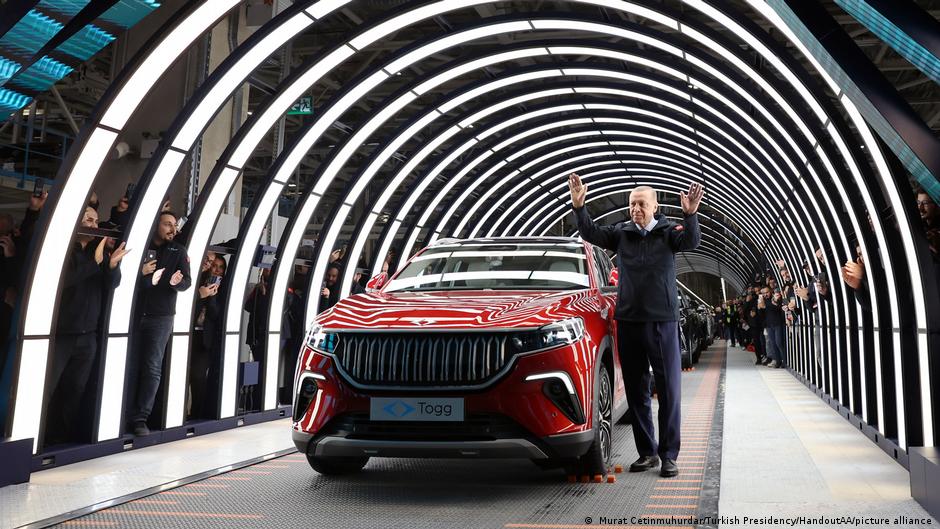
Despite the agreement, the plan is causing concern among countries with well-developed automotive industries that are deeply integrated into European supply chains. These countries include Turkey, Morocco, Japan and South Korea. Turkey, which in addition to supplying vehicles and components to the EU is developing its own electric cars, remains outside the exception in the new compromise. For suppliers from Turkey, Morocco, Japan and South Korea, this means the risk of losing their position in European supply chains.
Scale of potential consequences
Billions of euros in trade and hundreds of thousands of jobs are involved in the European automotive industry. The final shape of the act will determine whether the Union strengthens its industry without cutting itself off from the partners on which the production of parts and vehicles depends.
Sources
Discussion0
- No comments from this perspective yet. Be the first.