Urda rail crash: what the controller audio and signalling logs show, and what remains open
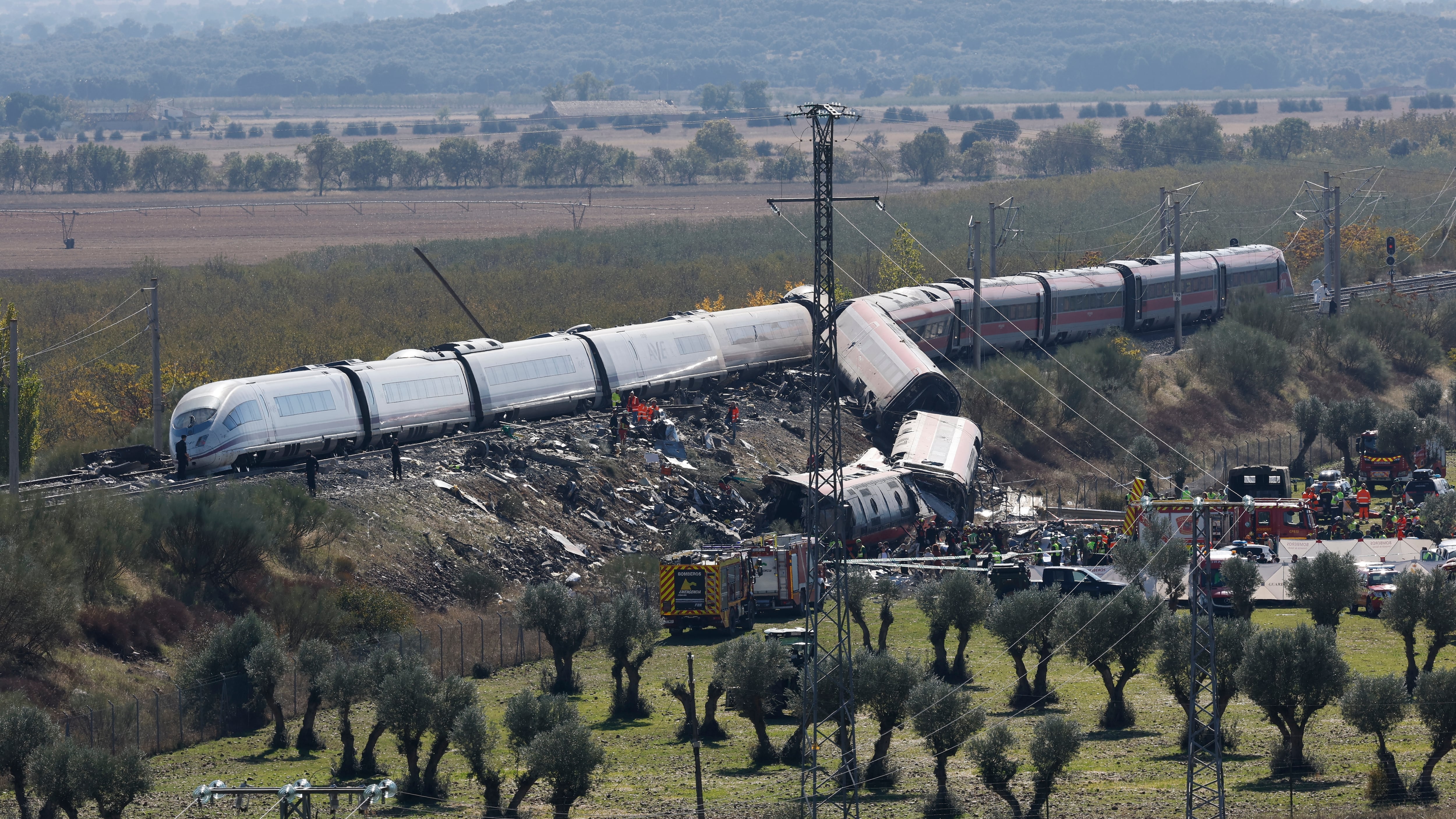
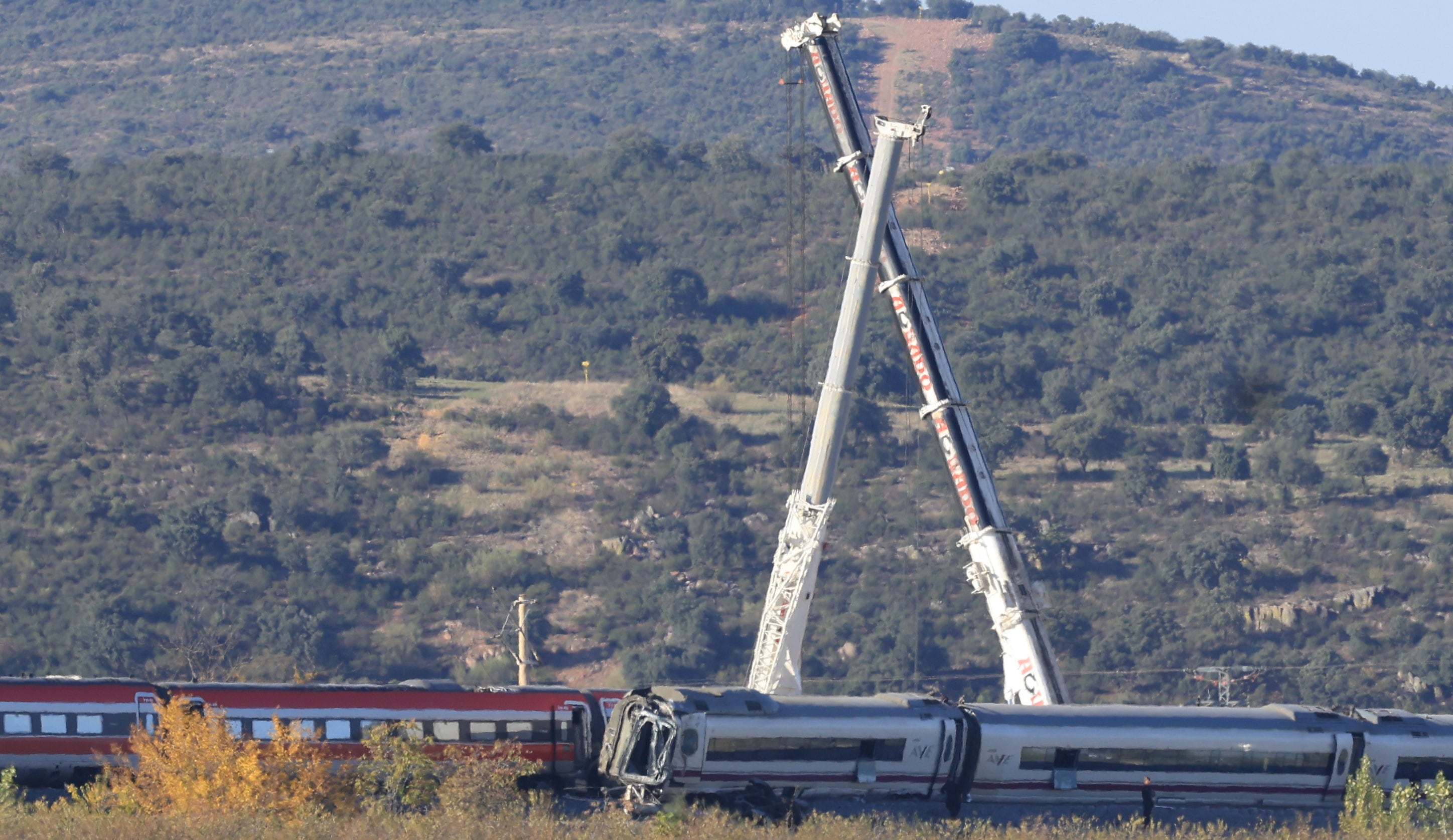
A signalling failure on Spain's Madrid–Seville high-speed line on 28 October led to a collision between an AVE and a stopped Iryo train near Urda, Toledo, that killed at least 69 people. Investigators are still trying to explain the instructions given to drivers.

Gowtham AGM · Unsplash License
- 0views
- 0likes and saves
- 0skips
In brief
- A signalling failure on the Madrid–Seville high-speed line on 28 October preceded a collision between an AVE and a stopped Iryo train near Urda, Toledo.
- At least 69 people died, the deadliest rail accident in Spain since 2013.
- Adif's log records a fault between Mora and Orgaz, kilometres 89.5 to 119.7, with the crash at kilometre 118.
- Criminal and technical investigations are under way, and Renfe has told drivers to run as slowly as possible if LZB data transmission is lost.
What happened before the crash
At 8:31 on Wednesday, six trains on the Madrid–Seville line lost the LZB system that keeps trains apart (Radiografía del sistema de seguridad que dejó de funcionar antes del accidente de Urda: casi una caída cada dos días – EL PAÍS). All of them stopped. Drivers were told to continue under the ASFA and BSL backup systems, and they called Adif's coordination centre in Atocha, where staff did not appear surprised by the situation, according to audio published by El País. Adif's incident log records a fault opened at 8:30 between Mora and Orgaz, covering kilometres 89.5 to 119.7, with the collision at kilometre 118 (Una cadena de fallos técnicos tumbó el sistema de seguridad ferroviaria LZB en Urda – EL PAÍS).
Why the audio raises questions
The log describes a chain of technical faults that ended in a series of unconnected instructions from the Madrid control centre to drivers. Reports say the restart of traffic followed incorrect protocols, and the AVE was moving at between 160 and 200 km/h when it hit the stationary Iryo. Investigators say 23 minutes of signalling faults and decisions at the control centre left loose ends (Los cabos por atar del siniestro de Urda en las investigaciones judicial y técnica – EL PAÍS).
Who is investigating
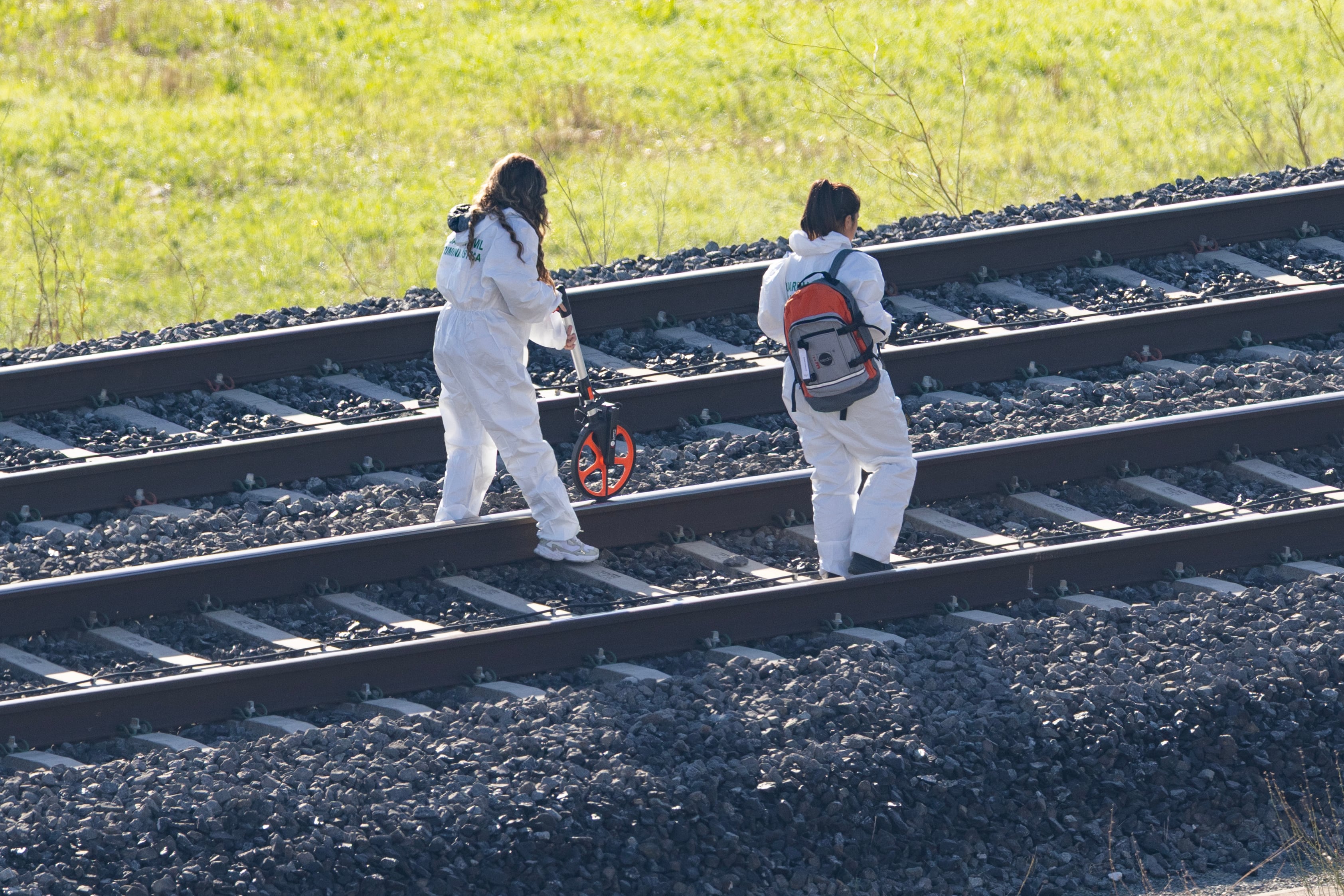
A criminal inquiry is led by investigating court number 2 in Orgaz. A separate technical investigation is run by an independent administrative authority for the technical investigation of rail, marine and civil aviation accidents and incidents. One open question is whether the German LZB, dating from the 1990s, is obsolete or performs as well as the newer ERTMS.
What Renfe is changing
Renfe has told drivers that from 1 November, if data transmission is lost because of an LZB fault, they must run as slowly as possible (Renfe eleva sus condiciones de seguridad en la línea Madrid-Sevilla para evitar nuevos siniestros – EL PAÍS). The transport minister, Óscar Puente, said the LZB had been out of service 170 times so far this year.
Death toll
At least 69 people died, making it the deadliest rail accident in Spain since 2013 and the second major rail disaster in the country in less than a year (Qué se sabe del choque de dos trenes de alta velocidad en España: Una avería, una orden errónea y un accidente mortal – elcomercio.pe).
Sources
- [1]
 Los cabos por atar del siniestro de Urda en las investigaciones judicial y técnica· EL PAÍS
- [2]Qué se sabe del choque de dos trenes de alta velocidad en España: Una avería, una orden errónea y un accidente mortal· elcomercio.pe
- [3]
 Radiografía del sistema de seguridad que dejó de funcionar antes del accidente de Urda: casi una caída cada dos días· EL PAÍS
- [4]
 Una cadena de fallos técnicos tumbó el sistema de seguridad ferroviaria LZB en Urda· EL PAÍS
- [5]
 Renfe eleva sus condiciones de seguridad en la línea Madrid-Sevilla para evitar nuevos siniestros· EL PAÍS
Discussion0
- No comments from this perspective yet. Be the first.