Russia Proposes Non-Aggression Pacts With NATO Members as Part of New European Security Framework
Moscow has floated bilateral non-aggression treaties with individual NATO states as one option for a new European security architecture, a proposal that European leaders have largely rejected while insisting any talks wait for a ceasefire in Ukraine.

In brief
- Russia's Foreign Ministry has proposed bilateral non-aggression pacts with individual NATO members as one option for a new European security system.
- Moscow also outlined two other formats: collective defence arrangements and political non-interference commitments.
- European leaders, including Costa and Kallas, reject discussing security architecture before a ceasefire in Ukraine.
- A 40-state Dublin declaration says talks on continental security can only begin after the war ends.
Moscow's three-track proposal
Russia's Foreign Ministry official Oleksiy Drobinin set out three formats that Moscow says could underpin a new security order in Europe. The first is a collective defence alliance or bilateral mutual military assistance agreements, of the kind Russia already has with Belarus and North Korea. (У Москві заговорили про пакти про ненапад із країнами НАТО: що відомо – TSN) (Пакти про ненапад з країнами НАТО: Росія запропонувала нову систему безпеки – Українська правда) The second is a political commitment not to help an opponent of the other side if aggression occurs, a model Moscow says it has already used in its arrangement with Iran.
The third option is bilateral non-aggression pacts. Drobinin said such deals could be reached with individual NATO member states, which might then receive additional security guarantees from the Russian Federation.
Context of the talks
The proposal surfaced at a security conference in Moscow on Wednesday. Vladimir Medinsky, Russia's chief negotiator on Ukraine, said the question of a new European security system had been a central topic at two days of talks in Abu Dhabi, which resumed for the first time since February. He did not specify what was discussed.
Russia has long argued that Europe's security arrangements need to be revisited, pointing to a ban on further NATO enlargement, limits on military exercises near its border and the withdrawal of forces from certain areas. (Європейські лідери відкидають спроби РФ кардинально змінити систему безпеки на континенті – Європейська правда)
European response
European leaders have pushed back. European Council President Antonio Costa said Europe once had a working security architecture that was gradually undermined and then destroyed by Russia's invasion of Ukraine. (Кремль хоче нову «Ялту», а ЄС не збирається грати за правилами Путіна: що відбувається за лаштунками – TSN) Ukrainian President Volodymyr Zelensky warned that Washington and Moscow were already discussing the issue and that Europe should pay attention, since the talks go beyond Ukraine itself. (Європа виступила проти планів Росії докорінно змінити систему безпеки континенту, - FT – UNIAN)
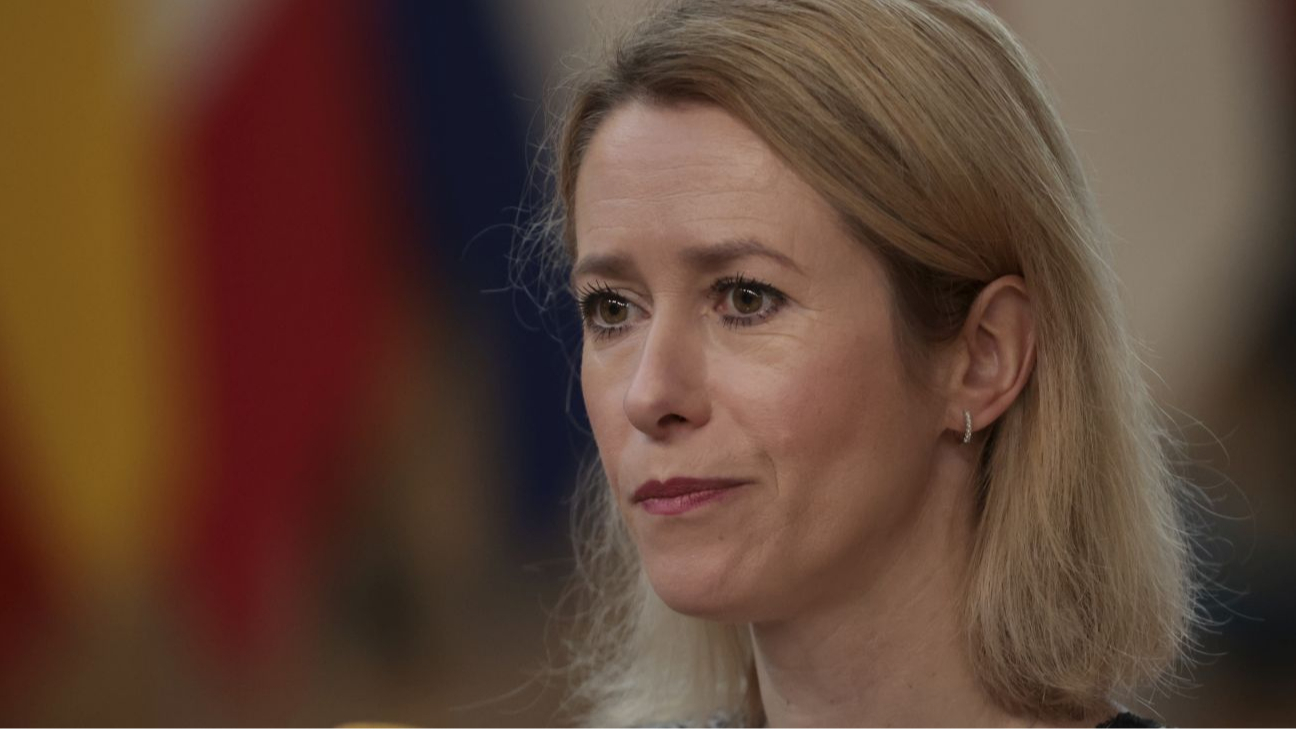
EU foreign policy chief Kaja Kallas argued that a ceasefire must come first and that discussions on European security architecture would only divert attention and walk Europe into a Russian trap. (Дискусії про європейську архітектуру: Каллас закликала не втрапити у пастку Росії – Українська правда) Latvian Prime Minister Andris Kulbergs said Europe should raise its expectations on guarantees for Ukraine, calling the current talks doubtful in their seriousness. (Прем’єр Латвії: Європа сильніша за Росію і має мати сильніші очікування від переговорів – Європейська правда)
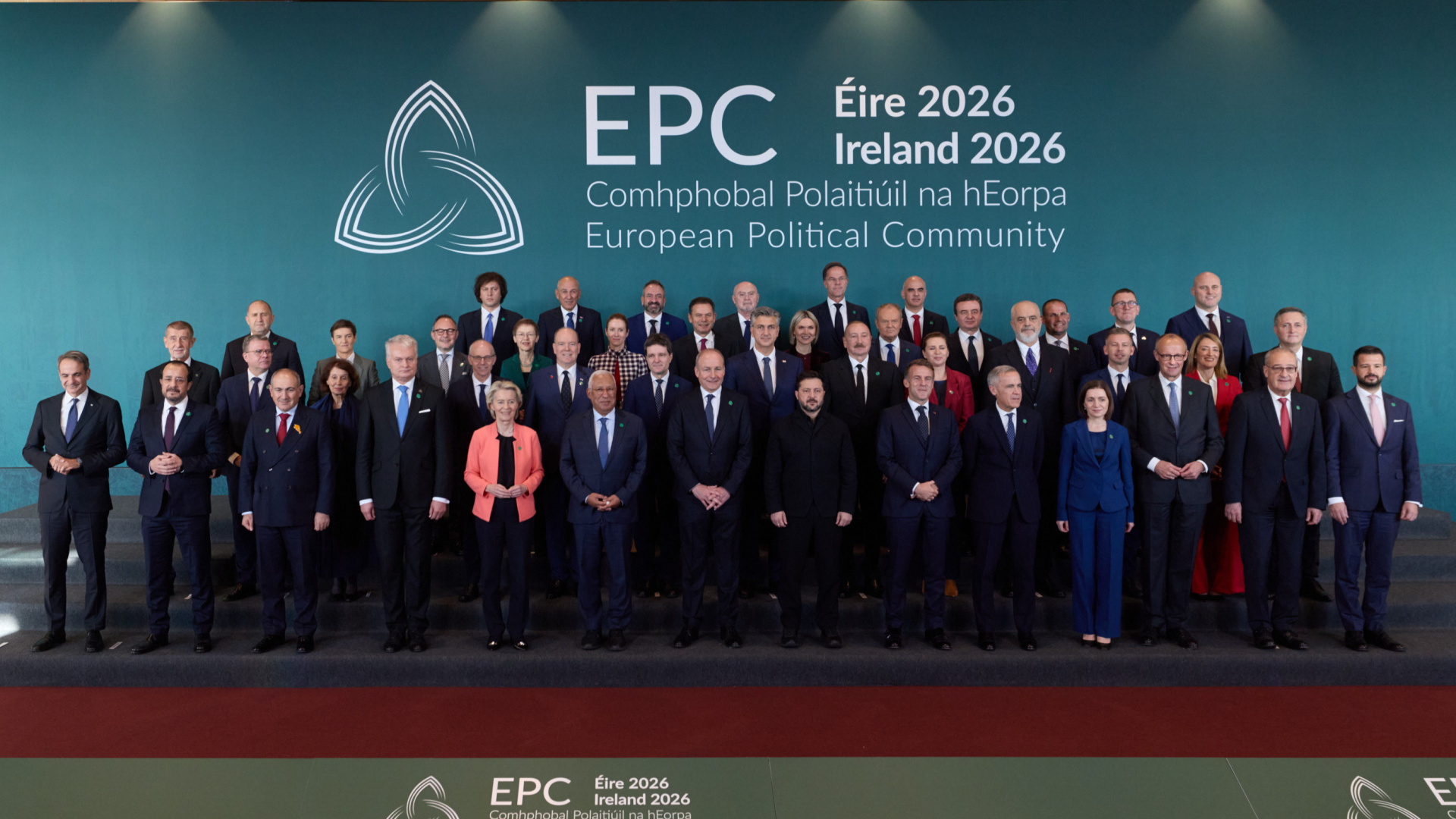
At a summit in Dublin, 40 European states, including Ukraine, signed a declaration stating that any negotiations on continental security can begin only after the Russia-Ukraine war ends. The text backs Ukraine's independence and territorial integrity within internationally recognised borders and calls for reliable security guarantees to prevent renewed aggression. (40 країн Європи підписали спільну декларацію про принципи безпеки на континенті – Українська правда)
The declaration also reaffirms NATO as the basis of its members' collective security, while stating that Ukraine's security is inseparable from Euro-Atlantic security.
Sources
- [1]Пакти про ненапад з країнами НАТО: Росія запропонувала нову систему безпеки· Українська правда
- [2]
 У Москві заговорили про пакти про ненапад із країнами НАТО: що відомо· TSN
- [3]
 Європейські лідери відкидають спроби РФ кардинально змінити систему безпеки на континенті· Європейська правда
- [4]
 Європа виступила проти планів Росії докорінно змінити систему безпеки континенту, - FT· UNIAN
- [5]
 Кремль хоче нову «Ялту», а ЄС не збирається грати за правилами Путіна: що відбувається за лаштунками· TSN
- [6]
 Прем’єр Латвії: Європа сильніша за Росію і має мати сильніші очікування від переговорів· Європейська правда
- [7]
 Дискусії про європейську архітектуру: Каллас закликала не втрапити у пастку Росії· Українська правда
- [8]
 40 країн Європи підписали спільну декларацію про принципи безпеки на континенті· Українська правда
- #Russia
- #NATO
- #NonAggressionPact
- #EuropeanSecurity
- #UkrainePeaceTalks
- #Drobinin
- #AbuDhabiTalks
Story graph
Connected stories
Russia Proposes Non-Aggression Pacts With NATO Members as Part of New European Security Framework
Moscow has floated bilateral non-aggression treaties with individual NATO states as one option for a new European security architecture, a proposal that Europe…