Rutte says a single European army would slow NATO's response to a Russian attack
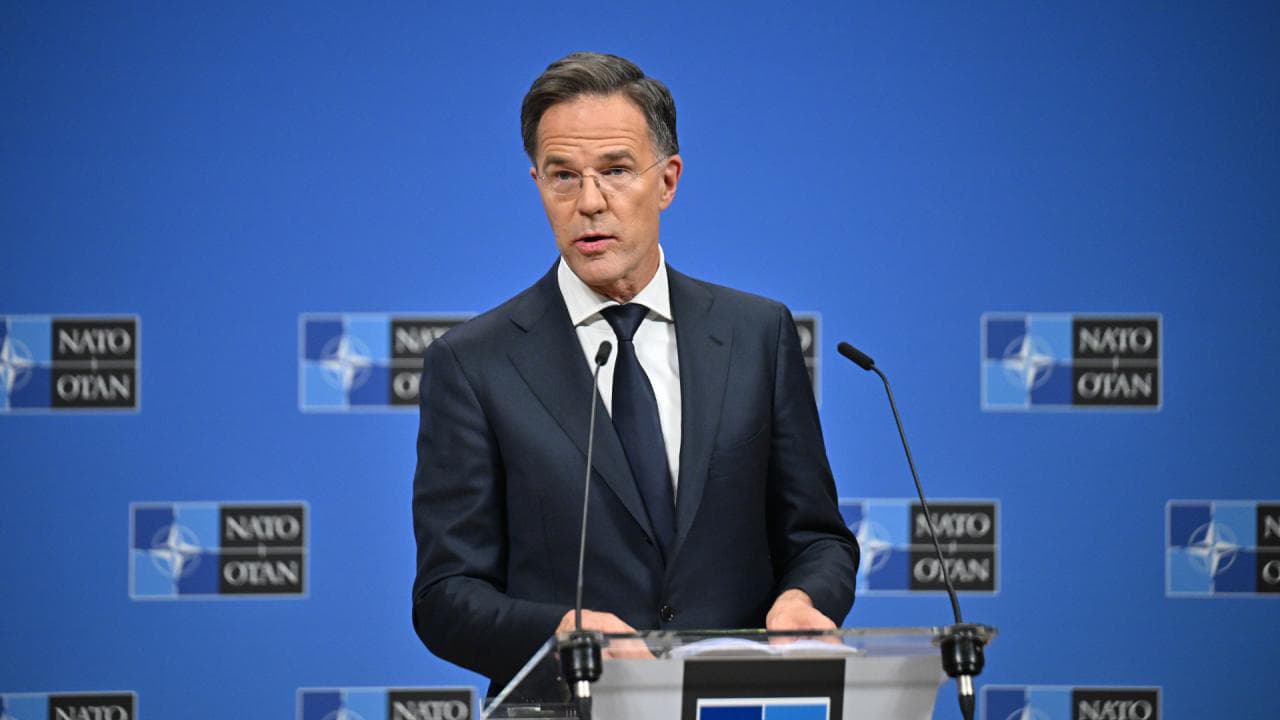
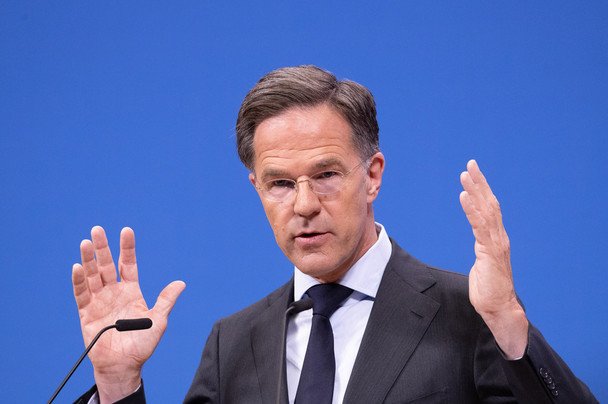
NATO Secretary General Mark Rutte has argued against creating a single European army alongside national armies and NATO structures, warning that coordination could take weeks in the event of an attack. He made the remarks at the NATO Parliamentary Assembly's annual gathering in Berlin.

In brief
- NATO Secretary General Mark Rutte opposes creating a European army that would operate alongside national armies and NATO.
- He told the NATO Parliamentary Assembly in Berlin that parallel structures could slow decisions and responses to a Russian attack.
- He described a hypothetical scenario in which coordination takes two to three weeks, and expressed doubt that Europe will adopt a unified model soon.
Rutte's objection to parallel structures
Rutte said he does not reject the idea of joint European armed forces in principle. If such forces were created, they would have to replace national armies rather than sit alongside them («Путін уже був би в Роттердамі»: Рютте застеріг Європу від створення нової армії – TSN) (Рютте пояснив, чому не підтримує ідею європейської армії: заважала б відбити атаку РФ – Європейська правда). He pointed to the United States, which has a single integrated military without separate armies for individual states, and said Europe would be welcome to build the same model if it could.
A hypothetical Russian attack
To illustrate the risk, Rutte described a Russian invasion of European countries. In that scenario, the allies might need two to three weeks to agree on who does what, while overlapping national, NATO and EU forces could disagree over tasks and responsibility («Пакуль мы будзем дамаўляцца, Пуцін апынецца ў Ратэрдаме». Генсак НАТА выказаўся супраць стварэння адзінай еўрапейскай арміі – Nasza Niwa). He warned that by then Vladimir Putin could already be in Rotterdam. He recommended against having national forces work within NATO while also building a large separate European structure on top of them.
Doubts about timing
Rutte expressed doubt that European countries could move to such a unified model soon. He also said it was understandable that the United States must assess its presence in Europe and elsewhere, since it leads the free world (Рютте не побачив у європейців бажання відокремитися від НАТО – UNIAN).
What it means for Europe
The remarks signal that NATO's leadership prefers reinforcing European capacity within the existing alliance rather than building an independent European military structure. Whether European governments will accept that position is not yet clear.
Sources
- [1]
 Рютте пояснив, чому не підтримує ідею європейської армії: заважала б відбити атаку РФ· Європейська правда
- [2]
 Рютте не побачив у європейців бажання відокремитися від НАТО· UNIAN
- [3]
 «Пакуль мы будзем дамаўляцца, Пуцін апынецца ў Ратэрдаме». Генсак НАТА выказаўся супраць стварэння адзінай еўрапейскай арміі· Nasza Niwa
- [4]
 «Путін уже був би в Роттердамі»: Рютте застеріг Європу від створення нової армії· TSN
- #MarkRutte
- #NATO
- #EuropeanArmy
- #NATOParliamentaryAssembly
- #Berlin
- #RussianAttack
- #EuropeanDefence
- #NATOResponse
Story graph
Connected stories
Rutte says a single European army would slow NATO's response to a Russian attack
NATO Secretary General Mark Rutte has argued against creating a single European army alongside national armies and NATO structures, warning that coordination c…