Wildfire Losses to U.S. Buildings Could Nearly Triple by 2060 Without New Protections
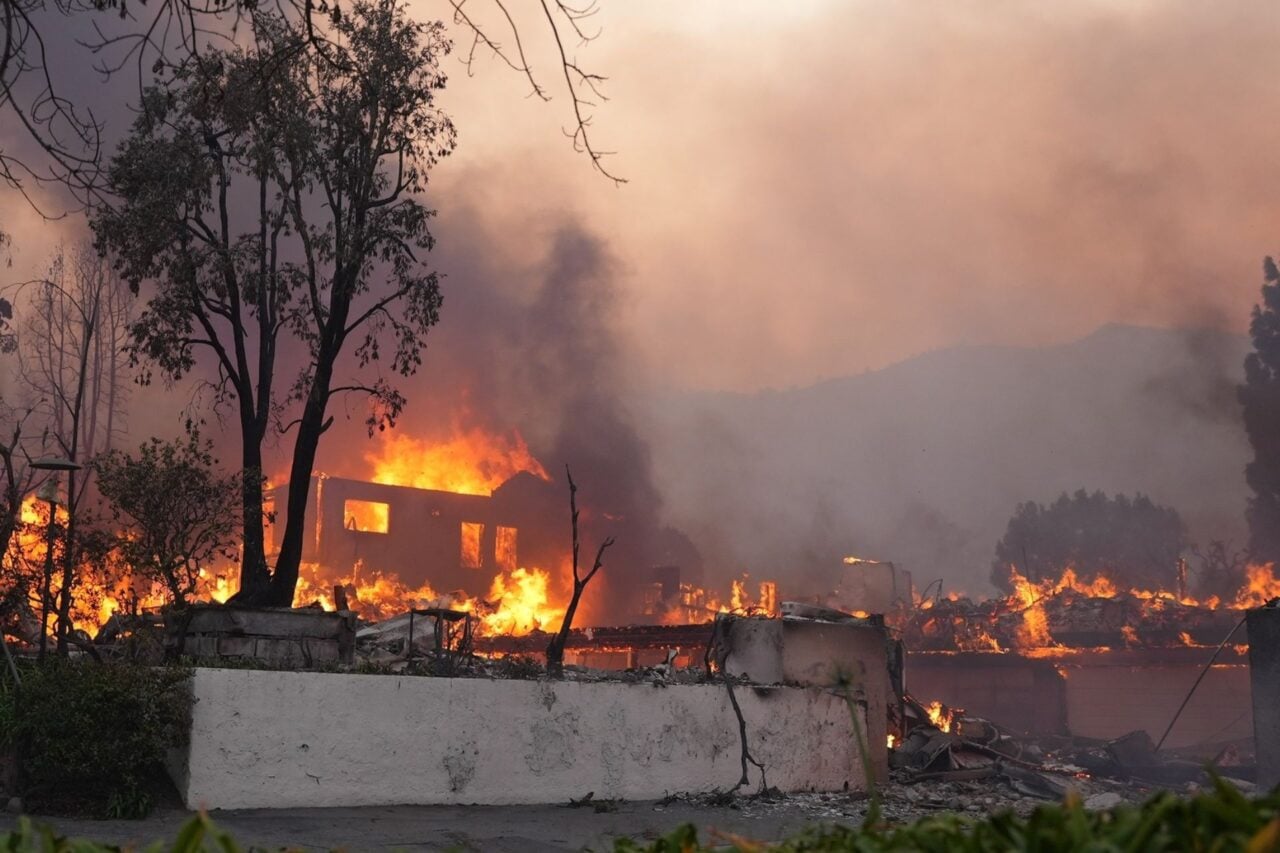
Buildings damaged or destroyed by wildfires across the United States could nearly triple by 2060 if climate change, vegetation and construction practices are not addressed, according to new research from the University of Colorado Boulder. The researchers say some protective measures are affordable.


In brief
- University of Colorado Boulder researchers project that wildfire losses to U.S. buildings could nearly triple by midcentury under current trends.
- A separate analysis puts the number of structures that could burn in coming decades at roughly 300,000.
- The researchers say affordable measures, including vegetation management and building design changes, could reduce the risk.
Projected rise in fire losses
Researchers at the University of Colorado Boulder's Cooperative Institute for Research in Environmental Sciences (CIRES) found that the number of homes and other buildings lost to wildfire in the U.S. is on track to nearly triple by midcentury if current trends continue (Fire losses to U.S. buildings could nearly triple by 2060 without new protections – Phys.org) (US wildfire damage is on pace to triple by mid‑century, but there are affordable ways to lower the risk – Phys.org). The estimate assumes no major change in how climate warming, vegetation management and construction practices are handled.
Scale of the risk
A separate analysis of the same research put the expected number of structures that could burn in the coming decades at roughly 300,000 (Wildfire Risk to US Buildings Is On Track to Triple by 2060 – Gizmodo). The figure depends on whether global warming is curbed and whether communities adapt to fire risk.
Why the trend is worsening
Fires are becoming faster, larger and more dangerous, while development continues to expand into fire-prone areas and new residents keep moving into those regions. Rising temperatures add to the problem by drying vegetation and extending the fire season.
What could reduce losses
The researchers say the outlook can change. Options include limiting climate-driven fire conditions, managing vegetation near communities, and changing how buildings are designed and sited so they can better withstand fire. According to the study, several of these steps are affordable.
What comes next
The findings were published in a peer-reviewed study that frames midcentury as the key window for decisions on construction and land use. Without new protections, the researchers warn, losses would keep climbing as development continues in high-risk areas.
Sources

- #Wildfire
- #Buildings
- #ClimateChange
- #UniversityOfColoradoBoulder
- #CIRES
- #US
Story graph
Connected stories
Wildfire Losses to U.S. Buildings Could Nearly Triple by 2060 Without New Protections
Buildings damaged or destroyed by wildfires across the United States could nearly triple by 2060 if climate change, vegetation and construction practices are n…