Why Does a Long Sleep Leave You With a Headache? What the Headache Study Reports
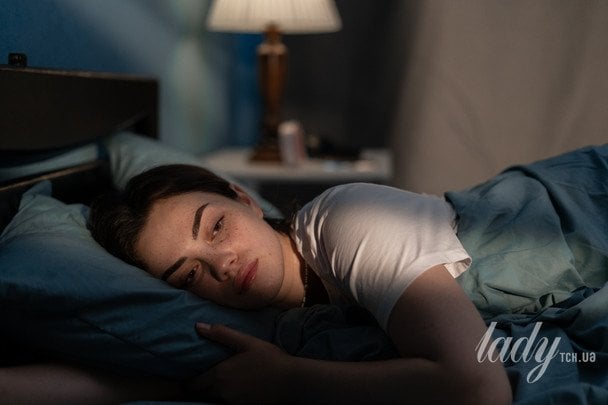
Excessively long sleep and disrupted rest rhythms may trigger headaches, especially in people prone to migraines. Ten hours of sleep, however, does not harm everyone.

Slaapwijsheid.nl · Unsplash License
- 0views
- 0likes and saves
- 0skips
In brief
- The text concerns the link between long sleep, disrupted rest rhythm and headache.
- Reports on studies in the journal Headache indicate a higher risk of headache in people prone to migraine.
- Other possible causes mentioned include alcohol, too little fluid, skipping breakfast and changes in caffeine intake.
- For recurring headaches, talking to a doctor is recommended; for severe pain, call 112 or go to the emergency department (SOR).
When long sleep is harmful
Reports on studies described by the scientific journal Headache indicate that excessively long sleep and a disrupted rest rhythm may trigger headache, especially in people prone to migraine (Занадто довгий сон провокує головний біль: як змінюється реакція організму на відпочинок – blik.ua) (Почему после продолжительного сна болит голова – my.ua) (Чому після тривалого сну болить голова – TSN). The length of sleep alone does not decide everything. What matters includes how much we usually sleep, how good our sleep is, and what symptoms accompany morning pain.
Biological clock and weekends
One possible cause is a shift in the biological clock. A person who usually gets up at seven, but sleeps until ten on weekends, changes their usual rhythm. In some people this may affect sleep regulation and sensitivity to pain.
Water, caffeine and other factors
During sleep we go long periods without drinking water, which promotes dehydration. The reports also mention other possible causes: alcohol, too little fluid, skipping breakfast, tension in the neck and shoulder muscles, and changes in usual caffeine intake, which may increase the risk of headache.
What to do after a poor night
After poor sleep, it is recommended to walk more during the day and limit naps to 20–30 minutes. Longer daytime sleep is not recommended, as it may disrupt the biological rhythm and make it harder to fall asleep in the evening, in which case insomnia and headache may return.
When to see a doctor
If headache after long sleep recurs, it is worth talking to a primary care physician or a neurologist. For sudden, severe pain or other worrying symptoms, call 112 or go to the emergency department (SOR).
Sources
Discussion0
- No comments from this perspective yet. Be the first.