Beyond BMI: New Study Suggests Better Way to Define Obesity
A new diagnostic approach that combines body mass index with other measurements could reduce both missed and wrong obesity diagnoses in millions of adults, researchers say.

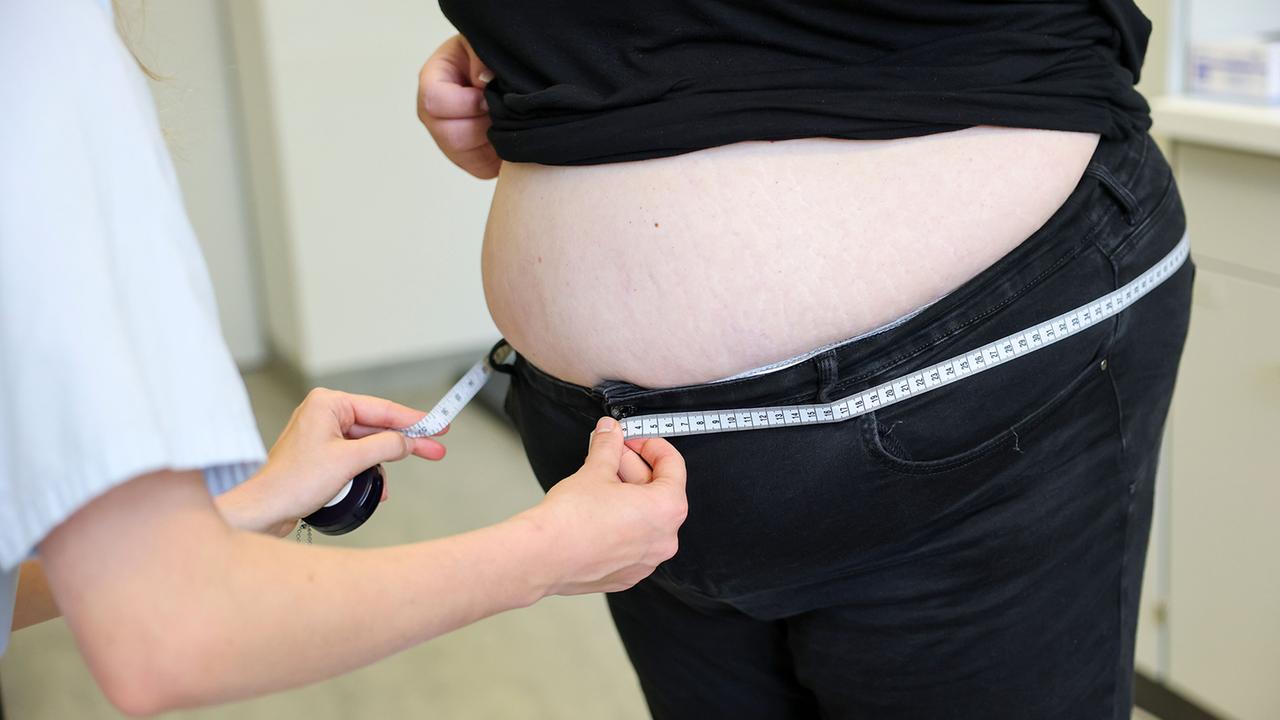
National Cancer Institute · Unsplash License
- 0views
- 0likes and saves
- 0skips
In brief
- New research proposes adding body measurements and organ function tests to BMI when diagnosing obesity.
- Relying on BMI alone may miss obesity in 5 to 9 per cent of adults and wrongly diagnose up to 3 per cent.
- A separate study in four countries found Spain would see almost 40% more obesity diagnoses under a waist-based method.
Why BMI is under scrutiny
The body mass index has long been the main tool for judging whether a person is overweight or obese. It is calculated from body weight and height alone. Experts have criticised it for years because it does not show how body fat is distributed, how much muscle a person carries, or how well internal organs function (Мільйонам людей неправильно діагностували ожиріння: вчені знайшли точніший спосіб визначення небезпечної ваги – TSN) (Nicht mehr nur BMI: So könnte Adipositas besser definiert werden – tagesschau.de). As a result, a muscular person can be classed as obese without carrying excess fat, while someone with a risky amount of body fat may still fall within the normal range (BMI alternative for identifying obesity ‘could prevent misdiagnosis in millions’ – The Guardian).
What the new study found
A team of doctors tested an alternative that adds other body measurements and organ function tests to the BMI. The approach proved better at telling apart healthy people from those carrying harmful amounts of body fat. Doctors said the BMI alone could miss obesity in 5 to 9 per cent of adults, while wrongly diagnosing it in as many as 3 per cent.
The researchers also argued the error is significant in practice. Given the scale of these misclassifications, they could affect tens of millions of people worldwide.
Spain shows the largest shift
A separate study covering nearly one million people in four countries found that adding waist circumference to the assessment raised the number of people classed as obese. The clearest case was Spain, where the new method increased the number of people diagnosed with obesity by almost 40% compared with the BMI-based standard (Una nueva forma de medir la obesidad eleva casi un 40% los casos en España – EL PAÍS).
Diagnostic criteria under review
Expert groups have proposed in recent years that a person should no longer be labelled obese on BMI alone. Under current rules, a BMI above 25 means overweight and 30 or above means obese (Übergewicht: Neue Definition erfasst Adipositas laut Studie deutlich besser als BMI – ZEIT ONLINE). The new proposals would add further measurements to decide who is at real risk of serious illness or early death.
What comes next
The findings support a broader revision of how obesity is defined. Adopting a new standard would change how many people are diagnosed, which in turn would affect who receives treatment and care.
Sources
- [1]
 Nicht mehr nur BMI: So könnte Adipositas besser definiert werden· tagesschau.de
- [2]
 BMI alternative for identifying obesity ‘could prevent misdiagnosis in millions’· The Guardian
- [3]
Übergewicht: Neue Definition erfasst Adipositas laut Studie deutlich besser als BMI· ZEIT ONLINE
- [4]
 Una nueva forma de medir la obesidad eleva casi un 40% los casos en España· EL PAÍS
- [5]
 Мільйонам людей неправильно діагностували ожиріння: вчені знайшли точніший спосіб визначення небезпечної ваги· TSN
Discussion0
- No comments from this perspective yet. Be the first.