Russians Lose Faith in Brighter Future as Nearly Five Years of War Take Their Toll
Most Russians now view the future with worry, a Levada Center survey shows, with pessimism outweighing optimism for the first time since 2022. Fatigue with the war in Ukraine and its domestic effects are cited as the main drivers.

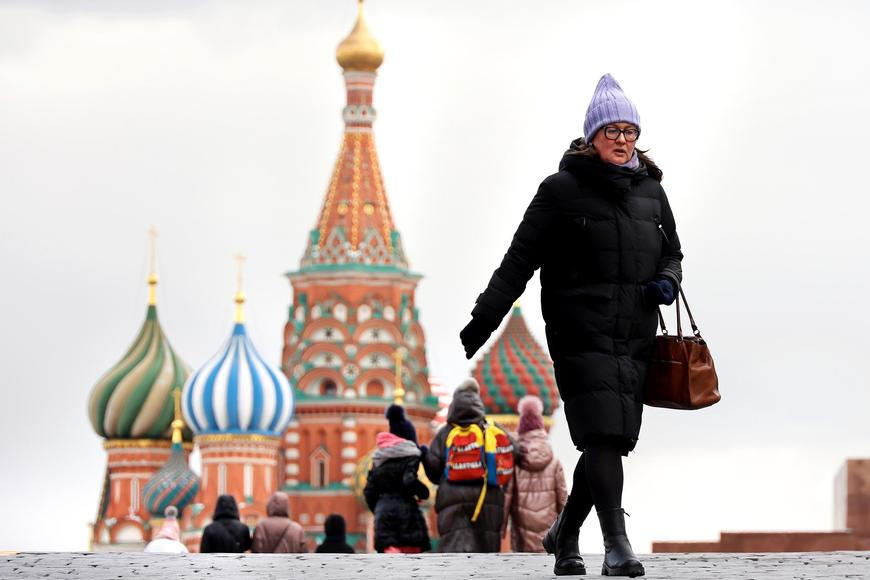
Khanh Do · Unsplash License
- 0views
- 0likes and saves
- 0skips
In brief
- A Levada Center survey finds 52 percent of Russians feel worried or anxious about their future, the first time pessimism has outweighed optimism since 2022.
- The share feeling calm and confident fell to 44 percent, down 13 points since November 2023.
- Fatigue with the nearly five-year war and Ukrainian drone strikes on refineries and supply chains are cited as key factors.
Pessimism returns to the forefront
A recent survey by the independent Levada Center found that more than half of Russians, 52 percent, say they look to the future with concern and anxiety. Around 40 percent describe themselves as content and optimistic. The gap marks the first time pessimism has prevailed since 2022, the year Moscow launched its full-scale invasion of Ukraine (Pesimizmus medzi Rusmi prevážil prvýkrát od roku 2022. Polovica má z budúcnosti obavy, ukazuje prieskum – STVR) („Války už mají plné zuby,“ říká sociolog. Průzkum ukázal, co si většina Rusů přeje – Aktuálně.cz).
Worry has grown over two years
The share of respondents who feel anxious about their own future rose by 13 percentage points over the past two years. Those who say they feel calm and confident fell to 44 percent, down 13 points from November 2023. Respondents also grew more doubtful about Russia's overall direction (Poprvé od invaze. Většina Rusů už nevěří ve světlou budoucnost, ukazuje průzkum – iDNES.cz).
Fatigue with a war without an end
Sociologist Oleg Zhuravlev, co-founder of the Laboratory of Public Sociology, which the Ministry of Justice has designated a foreign agent, said irritation and fatigue are growing quickly and that people are tired of the war. Such sentiment is spreading as few expect the fighting to end soon (Válka všechny vyčerpala. Nejnovější průzkum ukázal, jaká nálada je v Rusku – Novinky.cz).
Domestic strain adds to the mood
Ukrainian drone strikes this year knocked out a significant share of Russian oil refineries, triggering a fuel crisis that residents felt directly. Later attacks on warehouses supplying major markets and on data centres disrupted deliveries of goods and popular online services.
Survey context
Weekly polls by the Kremlin-friendly Foundation for Public Opinion (FOM) point in a similar direction, although the results differ in methodology and framing from the Levada data.
Sources
- [1]
 „Války už mají plné zuby,“ říká sociolog. Průzkum ukázal, co si většina Rusů přeje· Aktuálně.cz
- [2]
 Poprvé od invaze. Většina Rusů už nevěří ve světlou budoucnost, ukazuje průzkum· iDNES.cz
- [3]Válka všechny vyčerpala. Nejnovější průzkum ukázal, jaká nálada je v Rusku· Novinky.cz
- [4]Pesimizmus medzi Rusmi prevážil prvýkrát od roku 2022. Polovica má z budúcnosti obavy, ukazuje prieskum· STVR
Discussion0
- No comments from this perspective yet. Be the first.