ESA's Euclid telescope maps 900 million galaxies in first major data release
The European Space Agency's Euclid mission has published its first large data batch, covering more than 900 million galaxies and about 15,000 possible cases of gravitational lensing that could help scientists probe dark matter and dark energy. Part of the coverage cited here comes from Russian…

Guillermo Ferla · Unsplash License
- 0views
- 0likes and saves
- 0skips
In brief
- The European Space Agency's Euclid telescope has released its first large data batch, with more than 900 million galaxies catalogued.
- The release includes about 15,000 potential cases of strong gravitational lensing, which could help study dark matter and dark energy.
- The data covers about 14 per cent of the area Euclid will eventually image, with the sky survey due to finish by 2031.
A map built one galaxy at a time
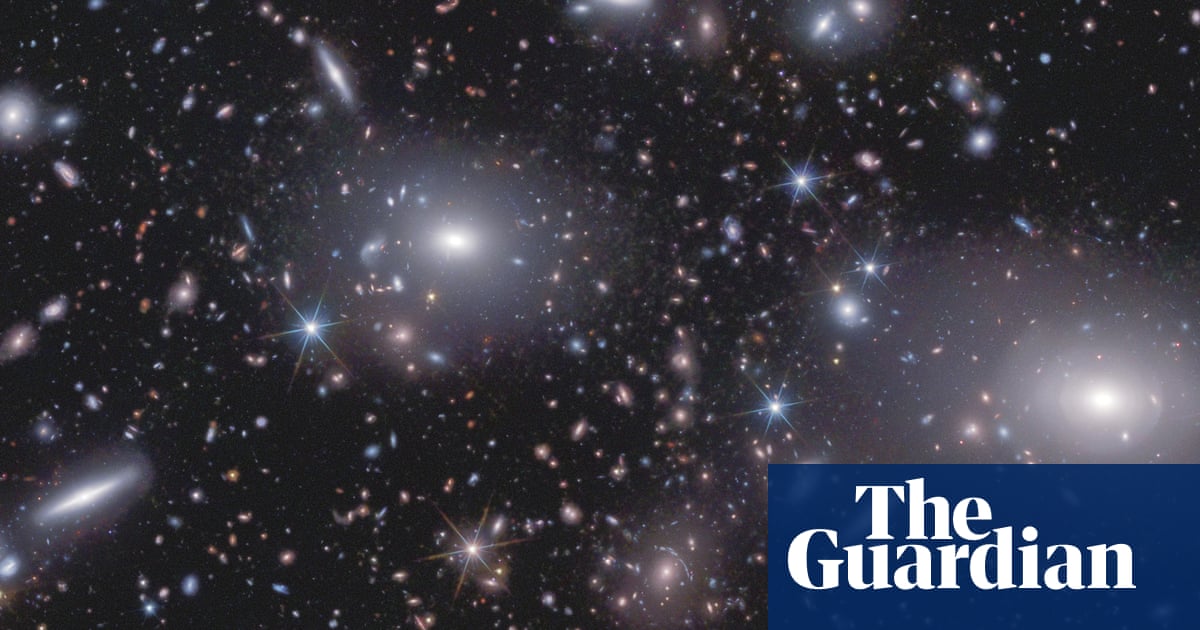
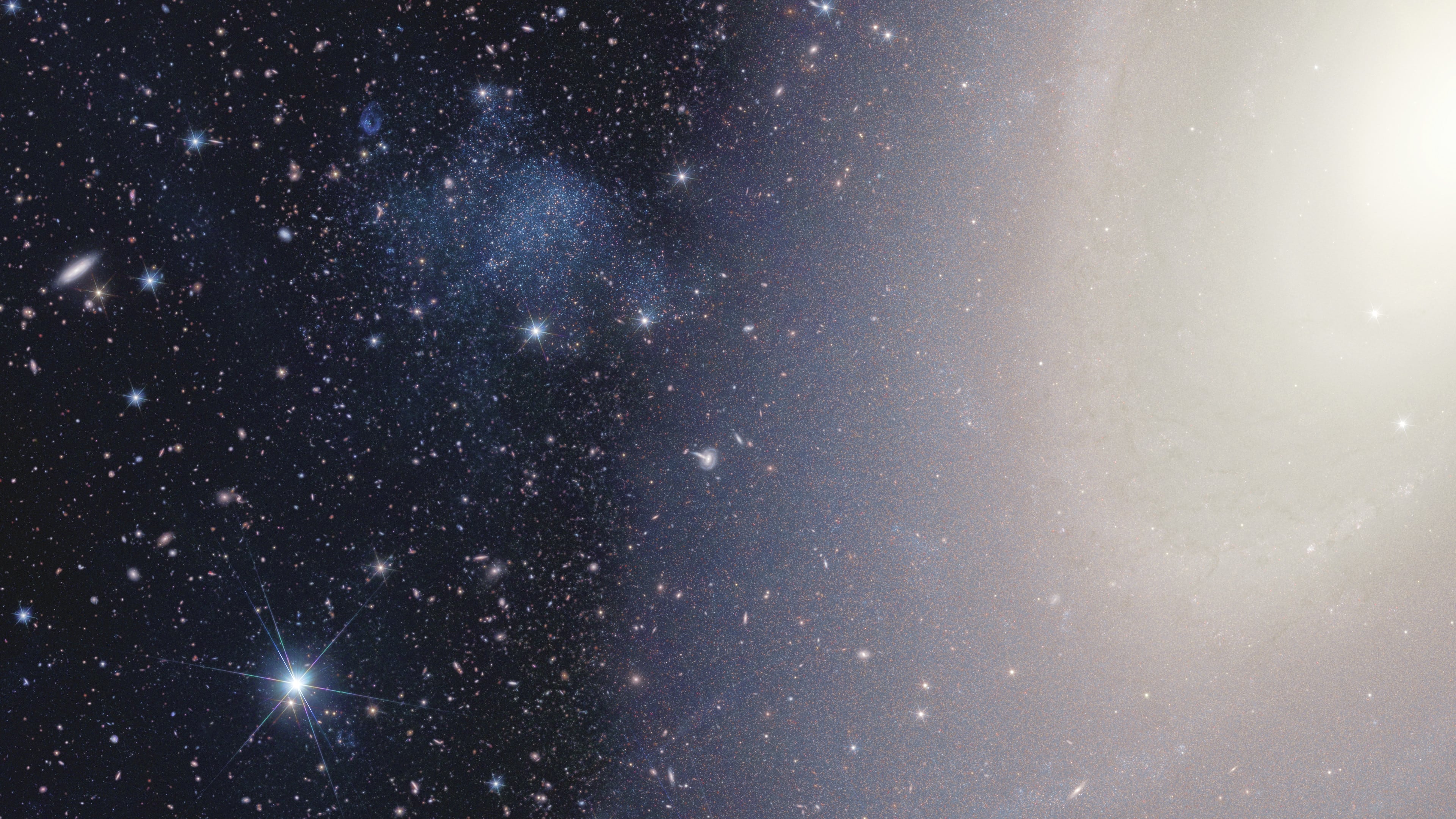
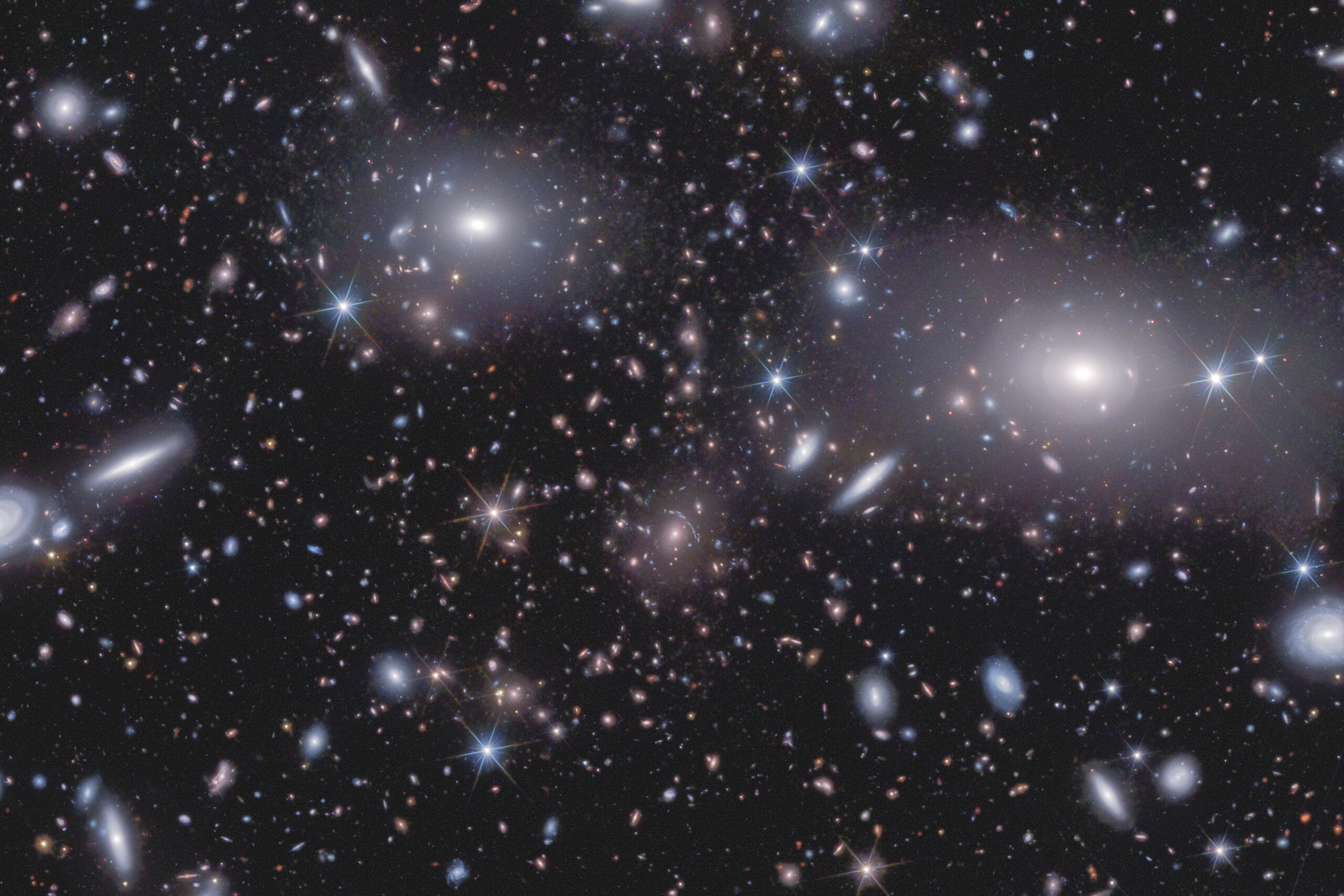
The European Space Agency's Euclid telescope, launched in July 2023, has delivered its first large batch of observations. Reports put the number of catalogued galaxies above 900 million (Європейська місія виявила 900 мільйонів галактик і, можливо, таємниці "темного Всесвіту" – UNIAN) (European survey reveals 900m galaxies – and possibly secrets of ‘dark universe’ – The Guardian) (El telescopio espacial ‘Euclid’ detecta 900 millones de galaxias y comienza el mapa tridimensional del universo – EL PAÍS).
Lensing cases
Beyond the galaxy count, the release contains roughly 15,000 potential cases of strong gravitational lensing, a phenomenon in which the gravity of foreground mass bends light from objects behind it. Such alignments can reveal how mass is distributed across the cosmos, including the invisible dark matter that is thought to make up about a quarter of the universe. No other outlet reviewed here confirms that figure, so it should be treated as unverified.
What the mission is for
The mission is set to produce the largest three-dimensional map of the cosmos so far, spanning roughly one-third of the sky and a history of more than 10 billion years. The main scientific target is dark energy and dark matter, which together are estimated to account for roughly 95 per cent of the universe. The mission is expected to finish its sky survey by 2031 (Телескоп «Евклид» передал на Землю данные о более чем 900 миллионах галактик. Они лягут в основу крупнейшего атласа космоса – The Insider).
Data still being analysed
The current release covers only about 14 per cent of the area Euclid will eventually image. Scientists will now analyse the datasets, and the next major release is planned for summer of next year.
Sources
- [1]
 European survey reveals 900m galaxies – and possibly secrets of ‘dark universe’· The Guardian
- [2]
 El telescopio espacial ‘Euclid’ detecta 900 millones de galaxias y comienza el mapa tridimensional del universo· EL PAÍS
- [3]
 Телескоп «Евклид» передал на Землю данные о более чем 900 миллионах галактик. Они лягут в основу крупнейшего атласа космоса· The Insider
- [4]
 Європейська місія виявила 900 мільйонів галактик і, можливо, таємниці "темного Всесвіту"· UNIAN
Discussion0
- No comments from this perspective yet. Be the first.