US Midterm Elections Will Not Lower Credit Costs. What CFOs Should Do Now
The outcome of the US midterm elections does not signal cheaper financing for companies. Corporate finance leaders should prepare for prolonged high borrowing costs.

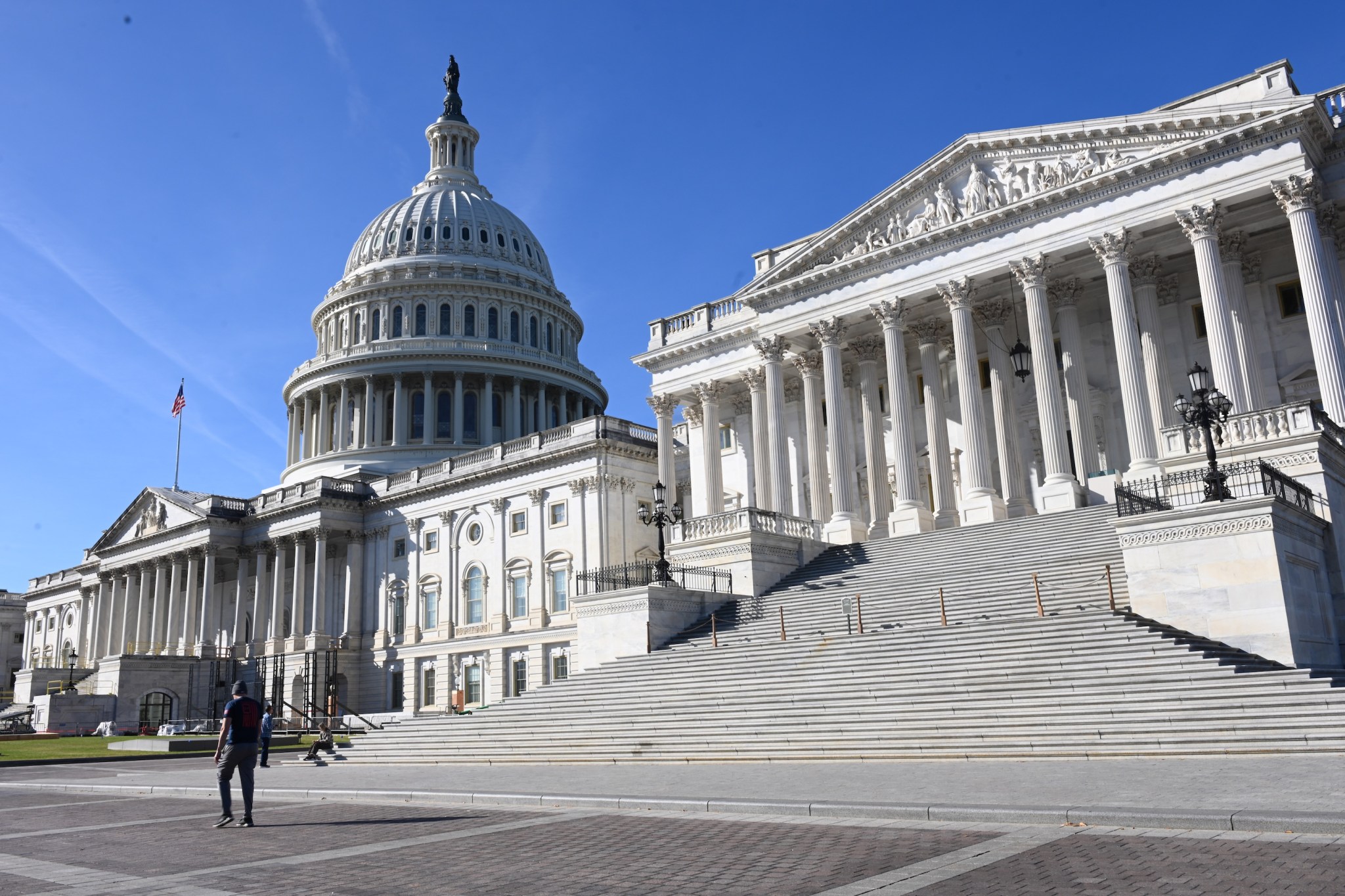
Maxim Klimashin · Unsplash License
- 0views
- 0likes and saves
- 0skips
In brief
- The outcome of the US midterm elections is not expected to lower borrowing costs for companies.
- EY-Parthenon experts expect persistently high interest rates and unstable financing conditions through 2027.
- Advisers recommend testing investment profitability, reviewing debt maturities, and protecting balance sheet flexibility.
High borrowing costs despite a change in political control
Democrats have taken control of both chambers of Congress, which could mean greater scrutiny of corporate investment in artificial intelligence and data center development. However, EY-Parthenon analysis shows that financing difficulties go beyond the political landscape. Josh Putnam, EY-Parthenon's global corporate finance leader, warns that CFOs should expect borrowing costs to remain high in 2027, and that financing conditions will stay unstable regardless of which party controls Congress (The midterms won't ease borrowing costs. Here's what CFOs should do now – Fortune).
Factors pressuring long-term rates
According to Putnam, long-term interest rates are under pressure from rising deficits, strong demand for capital, inflation volatility, and political uncertainty. Gregory Daco, EY-Parthenon's chief economist, argues that a divided government does not automatically raise the term premium. However, recurring budget disputes, the risk of government funding shutdowns, and tensions around the debt ceiling could increase uncertainty in the market.
What corporate finance teams can do
Putnam advises companies to test investment profitability thresholds, assess the maturity dates of their debt, and protect balance sheet flexibility. In his view, businesses need to know which projects can deliver returns above the cost of capital, and where that is not possible, shift resources elsewhere.
Sources
Discussion0
- No comments from this perspective yet. Be the first.