Opium Production in Afghanistan Rises Despite Taliban Ban, UN Reports
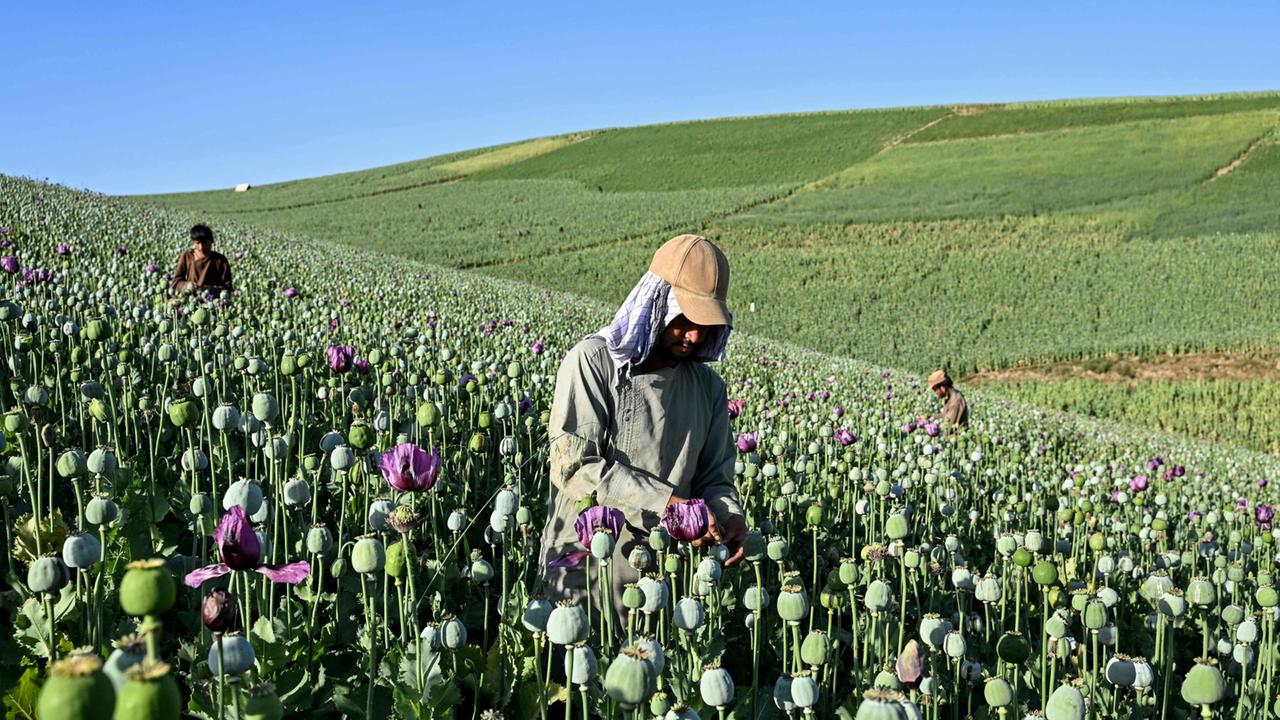
Opium poppy cultivation in Afghanistan has increased significantly since 2025, contrary to the 2022 ban imposed by the Taliban, according to the UN Office on Drugs and Crime.

Ellie Pourreza · Unsplash License
- 0views
- 0likes and saves
- 0skips
In brief
- Opium poppy cultivation in Afghanistan increased to 43,000 hectares in 2026, up from 10,000 hectares in 2025 .
- Opium production rose from about 300 tonnes in 2025 to under 1,500 tonnes this year .
- The UN estimates that the revenue generated by opium traders is 525 million euros, matching pre-ban levels .
- Afghan farmers cite insufficient income from other crops as a reason for the expansion of poppy cultivation .
Still Below Pre-Ban Levels
Cultivation and output currently remain lower than the figures recorded in 2021, prior to the Taliban seizing power and enacting the prohibition (Opiumproduktion in Afghanistan stark gestiegen – tagesschau.de). In 2021, the area under poppy cultivation was about 200,000 hectares.
The Taliban declared opium cultivation and production illegal in 2022 and claimed to have destroyed 22,000 hectares of poppy fields (UNO-Bericht - Trotz Verbot der Taliban: Opium-Produktion nimmt in Afghanistan wieder zu – Deutschlandfunk). Furthermore, there have been past allegations regarding the financial involvement of the group in the drug trade.
Income and Economic Drivers
UN assessments indicate that the income of opium traders is 525 million euros, a level comparable to the period before the ban. The UN attributes the expansion to economic pressures, noting that Afghan farmers cannot earn sufficient money from alternative crops to sustain themselves.
Poppy is frequently grown in concealed plots, such as between grain fields or near structures, which complicates monitoring efforts. The EU Drugs Agency reports that opium produced in Afghanistan is the primary raw material for heroin consumed in Europe.
Sources

Discussion0
- No comments from this perspective yet. Be the first.